Computer and Office Desks
A desk is the single piece of furniture that decides whether working from home actually works. Get the height wrong and the back complains by midday. Pick a top too narrow and the laptop, monitor and a notebook all start fighting for space. The right computer or office desk fits the room first and the work second, and there are far more shapes, sizes and finishes to choose from than the basic rectangle most people picture.
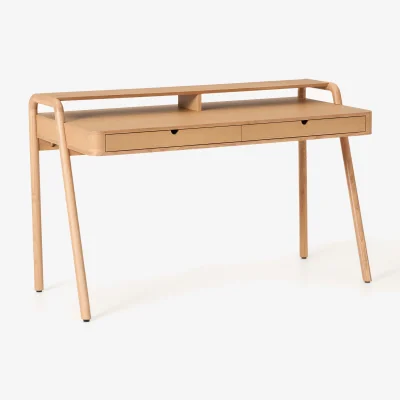
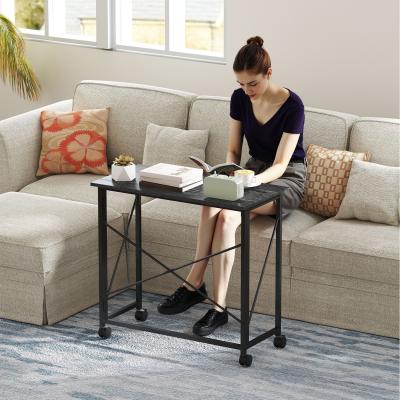
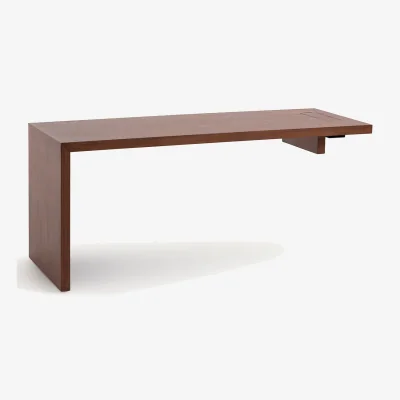
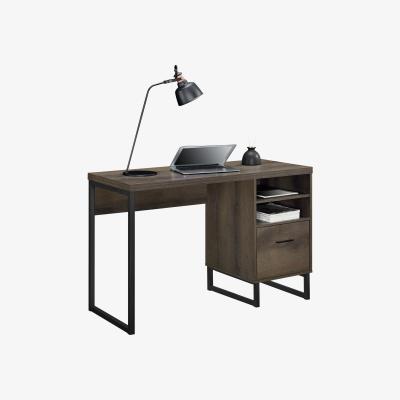
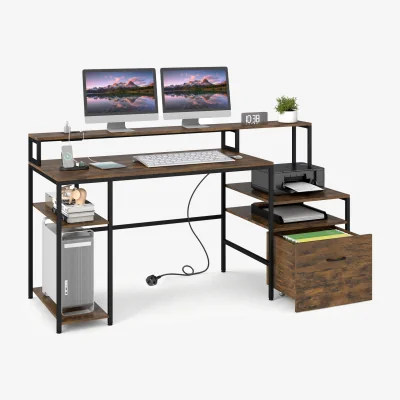
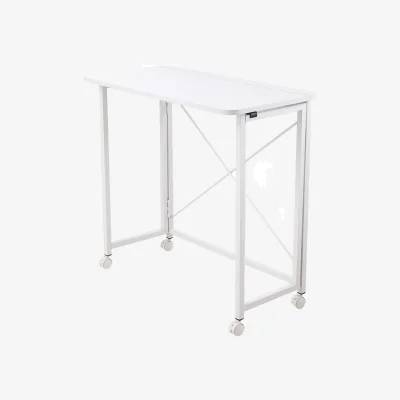
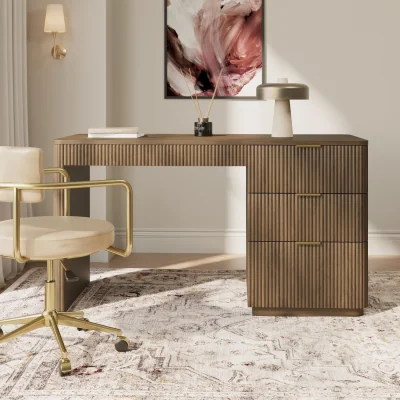
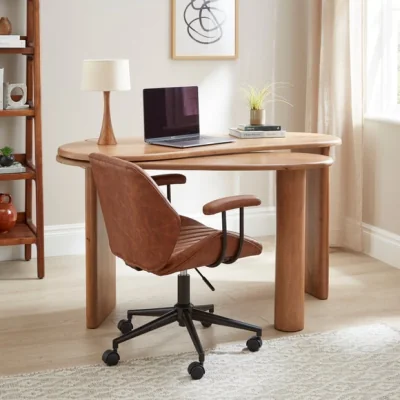
Rectangular writing desks are the simplest option, and are ideal for a laptop, a small monitor and a few books. Computer desks add cable cutouts, a slide-out keyboard tray and sometimes a raised shelf for the screen. Executive desks are larger, deeper and built for two monitors plus desk accessories, often in solid wood or walnut veneer with integrated drawers. Sit-stand and height-adjustable desks raise and lower at the press of a button or hand crank, so the same surface works seated and standing - over a long working day, that matters. Folding and foldable desks tuck flat against a wall when not in use, suiting studio flats and shared rooms where the desk cannot be permanent.
A compact home desk for a laptop alone measures 80 to 100cm wide and 50 to 60cm deep. Standard office desks sit at 120 to 140cm wide, which is comfortable for a monitor and paperwork. Wide and double-user desks reach 160 to 180cm or more. Most desks will have a depth of 60cm or so, which gives the right eye distance from most monitors. Standard sitting height is 73 to 76cm; adjustable models travel between 65 and 125cm so the surface can match any user's ideal seated position.
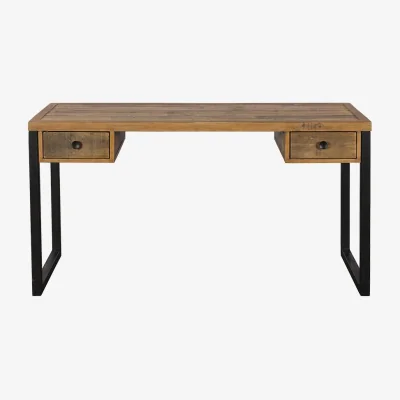
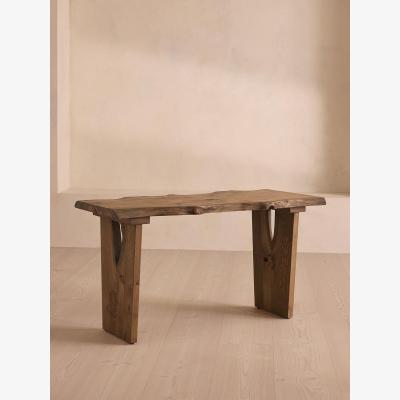
Solid oak, walnut and pine give a warm finish that suits studies and more traditional rooms; engineered wood with white, grey or oak laminate is lighter, easier to clean and pairs naturally with metal frames in contemporary setups. Frame material matters as much as the top: steel outlasts chipboard significantly, and mid-century tapered legs in wood read differently to a glass-and-metal frame even when the desktop itself is the same.
Practical extras worth seeking out include integrated drawers, cable cutouts, raised monitor shelves, pull-out keyboard trays and wire management grommets. In shared rooms, a folding desk that disappears at the end of the day is often more useful than a fixed one.
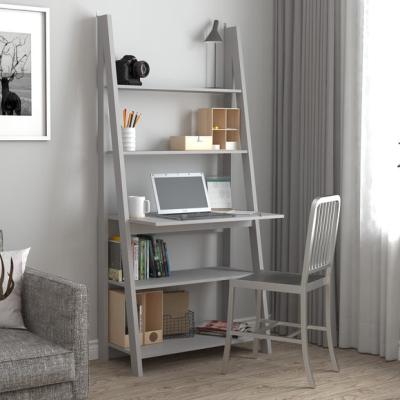
Computer and office desks anchor the rest of the working setup. A supportive office chair matched to desk height is the most important pairing, followed by a filing cabinet or office storage unit for paperwork. A table lamp handles task lighting, and a bookcase behind the desk keeps reference material in reach. For corner spaces, an L-shape may fit better than a straight desk; for gamers, a dedicated gaming desk is built for multiple screens.
Flitch aggregates desks from over 100 UK furniture retailers in one place, letting you compare standing desks, executive desks, folding desks and compact home-office options side by side. Set price drop alerts on shortlisted models, and check the price history before you commit. Our stylist team is available for advice on fitting a desk into an awkward layout.
What size desk should I get for working from home?
For a laptop only, 80 to 100cm wide is enough. For a laptop plus a monitor, look for 120cm or wider. For two monitors or space for paperwork, aim for 140 to 160cm. Depth of 60cm gives the right eye distance from a monitor.
Are sit-stand desks worth the extra cost?
Many people who alternate between sitting and standing find they reduce back and neck stiffness over the course of a working day. Look for an adjustment range of 65 to 125cm, a weight capacity of at least 60kg, and quiet motors if the desk sits near a meeting space.
What is the standard height for an office desk?
Around 73 to 76cm from floor to desktop. If you are taller or shorter than average, a height-adjustable desk lets you set the surface where forearms rest level with the keyboard.
How do I manage cables on a home office desk?
Choose a desk with cable cutouts or grommets and a cable tray beneath. Group cables with Velcro ties, run them down a single leg, and clip an extension lead to the underside to avoid trailing leads on the floor.
What is the difference between an executive desk and a writing desk?
A writing desk is slim, lightweight and usually has no drawers; they're designed for a laptop or paperwork. An executive desk is wider, deeper and heavier, with built-in drawers and a substantial frame, built for longer hours and multiple monitors.
Browse By...
Retailer
Amara DesksAnd So To Bed DesksAndrew Martin DesksAnthropologie DesksArighi Bianchi DesksAtkin & Thyme DesksBarker and Stonehouse DesksCasa by JJ DesksCox and Cox DesksCuckooland DesksCult Furniture DesksDibor DesksDowntown DesksDunelm DesksFurniture Village DesksFurniture123 DesksGraham & Green DesksHabitat DesksHappy Beds DesksHeal's DesksHomebase DesksJohn Lewis DesksKave Home DesksLa Redoute DesksLoaf DesksMade in Design DesksMarks & Spencer DesksMy Furniture DesksNkuku DesksNordic Nest DesksOak&More DesksOAT Home DesksOKA DesksOliver Bonas DesksOlivia's DesksPagazzi DesksPerch and Parrow DesksQuatropi DesksRockett St George DesksRose & Grey DesksSazy DesksSofa.com DesksSoho Home DesksTeddy Beau DesksThe Conran Shop DesksThe Range DesksTobias Oliver DesksTom Dixon DesksUrban Outfitters DesksWestwing DesksWolf & Badger DesksWoods Furniture Desks
Colour
Sale
Amara DesksHappy Beds DesksPerch and Parrow DesksAnd So To Bed DesksHeal's DesksQuatropi DesksAndrew Martin DesksHomebase DesksRockett St George DesksAnthropologie DesksJohn Lewis DesksRose & Grey DesksArighi Bianchi DesksKave Home DesksSazy DesksAtkin & Thyme DesksLa Redoute DesksSofa.com DesksBarker and Stonehouse DesksLoaf DesksSoho Home DesksCasa by JJ DesksMade in Design DesksTeddy Beau DesksCox and Cox DesksMarks & Spencer DesksThe Conran Shop DesksCuckooland DesksMy Furniture DesksThe Range DesksCult Furniture DesksNkuku DesksTobias Oliver DesksDibor DesksNordic Nest DesksTom Dixon DesksDowntown DesksOak&More DesksUrban Outfitters DesksDunelm DesksOAT Home DesksWestwing DesksFurniture Village DesksOKA DesksWolf & Badger DesksFurniture123 DesksOliver Bonas DesksWoods Furniture DesksGraham & Green DesksOlivia's DesksHabitat DesksPagazzi Desks

Home essentials at unbeatable prices

Sponsored