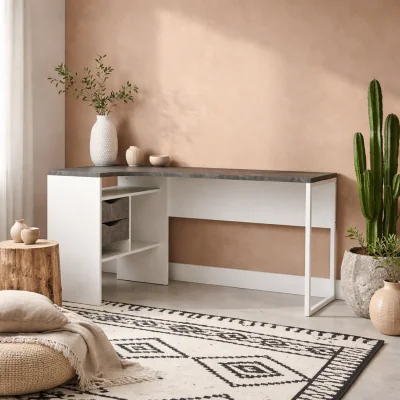
Corner Desks
A corner desk earns its place by doing more with less floor. The L-shape fits naturally against two walls, giving a larger working surface than a straight desk of equivalent width, while keeping the rest of the room open. That makes it particularly well suited to a dedicated home office where space is limited, or a spare room where the desk needs to share the floor plan with other things.
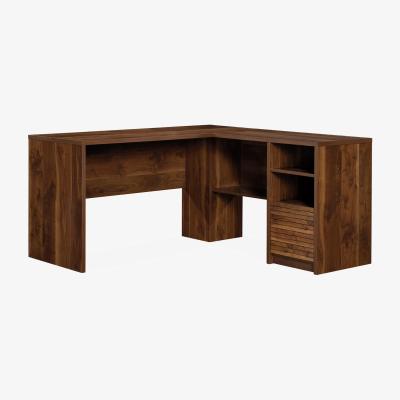
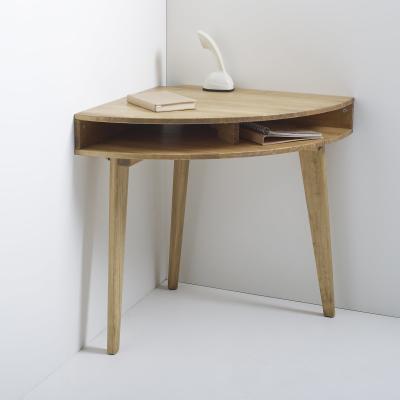
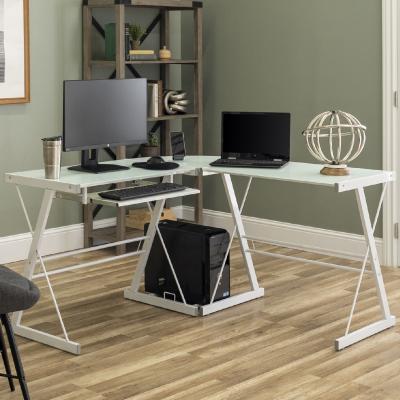
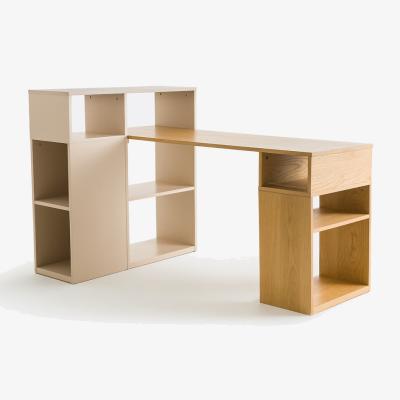
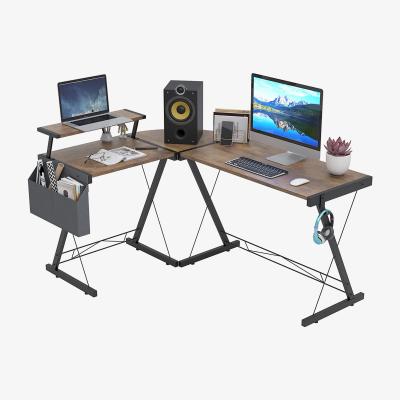
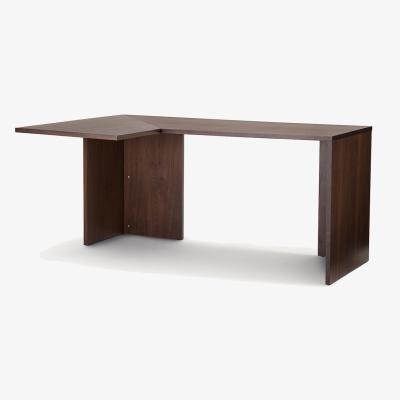
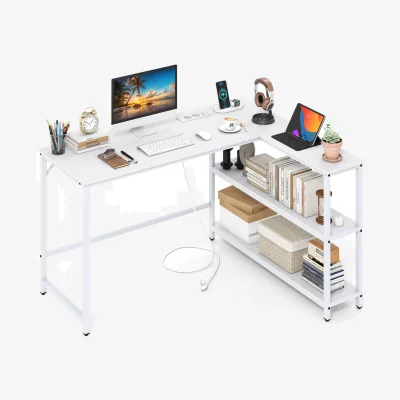
The two main formats are the L-shape and the curved corner desk. L-shaped desks have two surfaces of roughly equal depth - useful for separating a laptop zone from a monitor zone, or keeping paperwork off the main working surface. Curved and scalloped designs have a deeper centre and shorter arms, pulling a single user closer to a central screen. Most listings specify left-hand or right-hand orientation; some are reversible, so confirm before ordering if the room dictates which way the desk faces.
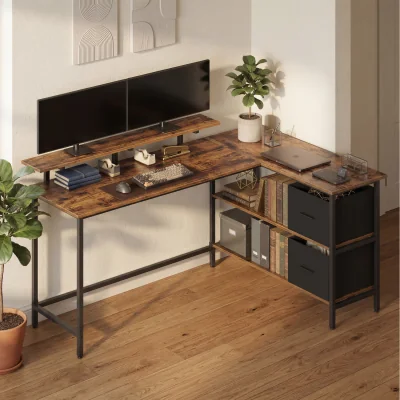
Compact corner desks for small bedrooms start around 100 to 120cm on the longest side, which gives enough surface for a laptop and a monitor. Standard home-office L-shapes run 140 to 160cm per side, comfortable for two monitors and document space. Larger gaming and executive corner desks reach 180cm or more with desktop depths between 45 and 60cm. Height-adjustable corner desks apply the same sit-stand principle to an L-shape, and adjustable shelf units or hutches above the surface extend storage upward when floor space is limited.
Wooden tops in oak, walnut or pine pair naturally with bookcase units and warmer interiors; white, grey and black laminate on a metal frame suit contemporary and industrial setups and are easier to clean. Features worth considering include integrated drawers and shelves, a raised hutch for a monitor or printer, a keyboard tray under the main surface, and panels that conceal cables when work is done. For gaming, look specifically for cable management routing and a frame rated for the combined weight of two or three monitors.
Add a supportive office chair sized to the desk height, a filing cabinet for paperwork and a table lamp for evening work. An office storage unit or bookcase behind the desk keeps reference material in reach.
Flitch pulls corner desks from over 100 UK furniture retailers into one searchable catalogue, so you can compare wooden, metal, gaming and executive options side by side. Price histories show whether desks have genuinely been reduced, and price drop alerts watch the listings you save. Our stylist team can advise on layout if you are working with an awkward corner.
What size corner desk do I need?
Measure the two walls of the corner from the inside out. Compact desks of 100 to 120cm per side suit small bedrooms; standard home-office L-shapes are 140 to 160cm per side; larger gaming or executive setups run 180cm or more. Leave at least 90cm of clearance behind the chair for movement.
What is the difference between an L-shaped and a curved corner desk?
An L-shape has two flat surfaces meeting at a right angle, giving separate zones for a laptop, monitor or paperwork. A curved corner desk has a scooped front with a deeper centre, designed to put a single user closer to a central monitor.
Are corner desks good for gaming?
Yes. An L-shape gives plenty of width for a multi-monitor setup with room either side for a keyboard, controllers and peripherals. Look for desks rated for the weight of multiple screens and with cable management routes built into the frame.
Should I get a corner desk with drawers or a separate filing cabinet?
Built-in drawers keep the footprint tidy and are convenient for daily use. A separate filing cabinet offers more capacity and can be repositioned if the layout changes. Many people start with an integrated drawer unit and add a low filing cabinet alongside later.
How much clearance do I need around a corner desk?
Allow around 90 to 100cm behind the chair for movement and 60cm of leg room under the desk. Check that the long arm does not block a doorway or window before ordering.
Browse By...
Retailer
Barker and Stonehouse Corner DesksDowntown Corner DesksDunelm Corner DesksFurniture Village Corner DesksFurniture123 Corner DesksHabitat Corner DesksJohn Lewis Corner DesksLa Redoute Corner DesksMarks & Spencer Corner DesksOlivia's Corner DesksThe Range Corner DesksWestwing Corner DesksWoods Furniture Corner Desks
Barker and Stonehouse Corner DesksHabitat Corner DesksThe Range Corner DesksDowntown Corner DesksJohn Lewis Corner DesksWestwing Corner DesksDunelm Corner DesksLa Redoute Corner DesksWoods Furniture Corner DesksFurniture Village Corner DesksMarks & Spencer Corner DesksFurniture123 Corner DesksOlivia's Corner Desks
Home essentials at unbeatable prices

Sponsored