Office Chairs
An office chair is the one piece of furniture that has to keep its job for eight hours straight, every day. A poor chair shows up as fidgeting, then a sore lower back by lunchtime, then something you start avoiding. You can find everything from £80 mesh task chairs to designer ergonomic models built to last a decade - the right pick comes down to how long you sit and which problem you are trying to solve.
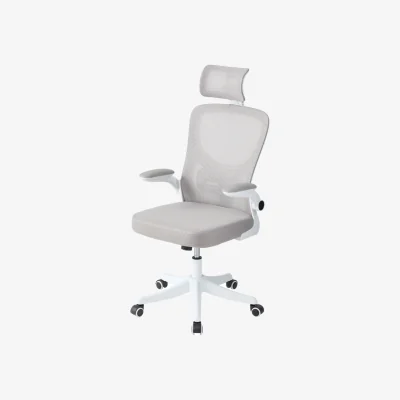
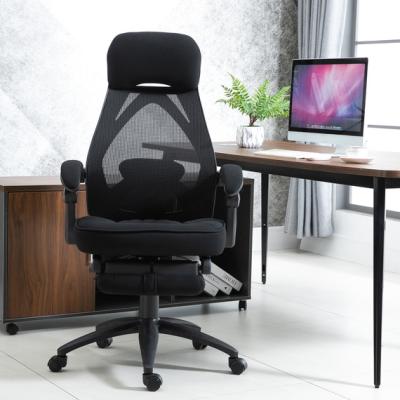
The features that matter most help with ergonomics: think an adjustable backrest with separately adjustable lumbar support, a seat that tilts and slides, height adjustment of 45 to 55cm, and armrests that move up, down, in and out (called 3D or 4D armrests). Higher-end models add a height-adjustable headrest, a synchronous tilt that reclines the back and seat together, and a swivel base with smooth-rolling castors suited to the floor type.
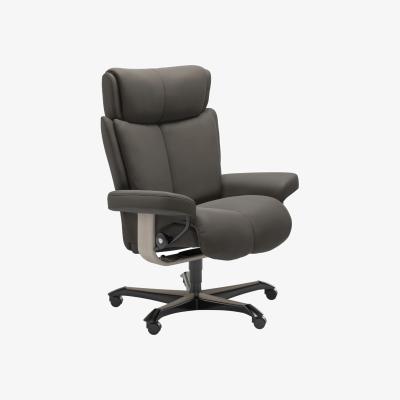
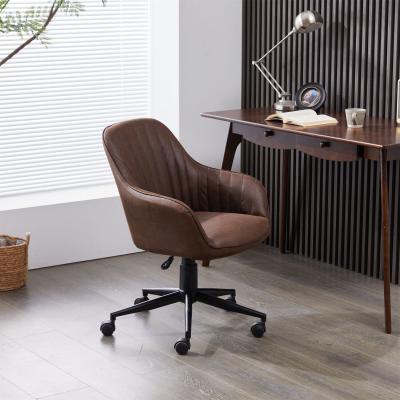
Executive chairs lean towards a more traditional look, with higher backs, padded headrests and leather or PU leather upholstery to suit formal offices and home studies. Mid-century and Eames-style designs offer a more design-led approach. Either way, the trade-off against a pure ergonomic chair is fewer precise adjustments, which makes executive models better suited to shorter daily use than a full eight-hour shift.
Beyond ergonomic and executive chairs, there are a few specialist formats that are worth knowing about. Kneeling and posture chairs change the seated angle to reduce lumbar pressure. Task chairs are simpler, lighter and cheaper, suited to occasional use or as a second desk chair. Foldable office chairs tuck away when not in use, which suits rooms where the chair is only needed occasionally. Armless designs slide fully under a desk and save floor space in compact rooms.
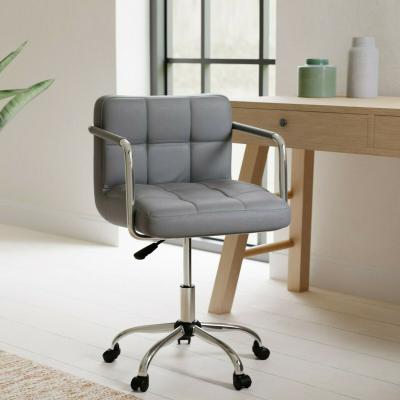
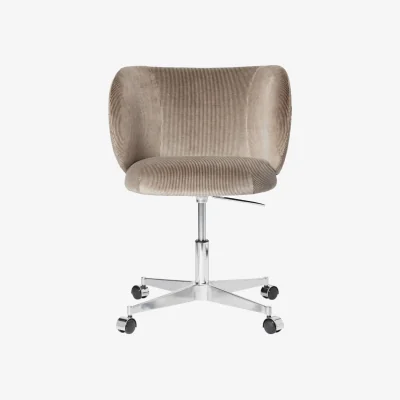
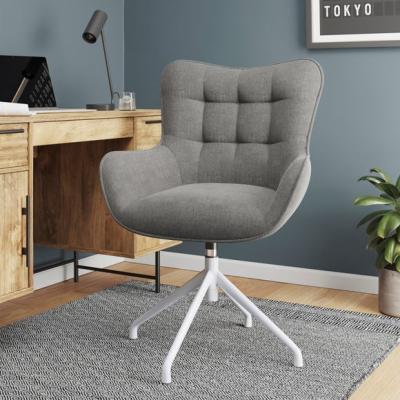
Materials shape both comfort and longevity. Mesh-back versions breathe better than upholstered ones and, as they feel cooler, are popular for warm rooms. Fabric is warmer and softer, and the most common choice for all-day use in a home setting. Leather and faux leather look smarter and wipe clean, whilst velvet adds a decorative quality that suits home studies.
The components that age first are the castors, then the seat foam, then the gas lift - so if the chair is used daily, a Class 4 gas lift, a steel five-star base and quality castors are worth paying for.
Flitch brings together office chairs from more than 100 UK retailers in one place, covering ergonomic, executive, mesh, leather, kneeling, heavy-duty and budget options. Price histories across thousands of models confirm whether a discount is real, and price drop alerts watch the chairs you save. Our stylist team can advise on the right office chair to purchase, should you have any difficulties in identifying a suitable one for your room.
What is the most important feature of an office chair?
Adjustable lumbar support combined with seat height adjustment matters most. The lumbar should sit at the small of the back, and the seat height should let feet rest flat with knees roughly level with hips.
Are mesh office chairs better than fabric ones?
Mesh chairs breathe better and stay cooler over long sessions. Fabric is warmer and softer, and tends to be more forgiving for shorter daily use. In rooms without air conditioning, mesh makes a noticeable difference over a full working day.
How long should an office chair last?
A mid-range ergonomic chair lasts five to eight years of daily use. Higher-end chairs with steel frames and Class 4 gas lifts last 10 to 15 years. The first parts to wear are the castors, then the seat foam.
Can office chairs help with back pain?
A well-adjusted ergonomic chair with properly set lumbar support reduces the strain that contributes to lower-back pain. Desk height, screen height and regular breaks matter equally. For persistent pain, speak to a GP or physiotherapist rather than relying on a chair to solve it.
What is a Class 4 gas lift?
The cylinder that raises and lowers the seat. Class 4 is the highest standard for safety and durability under heavy use. Cheaper chairs often use Class 2 or 3, which can fail under daily eight-hour loads.
Browse By...
Retailer
Amara Office ChairsAndrew Martin Office ChairsArighi Bianchi Office ChairsBarker and Stonehouse Office ChairsCox and Cox Office ChairsCult Furniture Office ChairsDowntown Office ChairsDunelm Office ChairsFurniture Village Office ChairsFurniture123 Office ChairsHabitat Office ChairsHeal's Office ChairsHomebase Office ChairsJohn Lewis Office ChairsKave Home Office ChairsLa Redoute Office ChairsMade in Design Office ChairsMarks & Spencer Office ChairsNordic Nest Office ChairsOak&More Office ChairsOlivia's Office ChairsPagazzi Office ChairsPerch and Parrow Office ChairsQuatropi Office ChairsRockett St George Office ChairsRose & Grey Office ChairsSazy Office ChairsSofa.com Office ChairsTeddy Beau Office ChairsThe Conran Shop Office ChairsThe Range Office ChairsTom Dixon Office ChairsUrban Outfitters Office ChairsWestwing Office ChairsWoods Furniture Office Chairs
Colour
Material
Amara Office ChairsHomebase Office ChairsRockett St George Office ChairsAndrew Martin Office ChairsJohn Lewis Office ChairsRose & Grey Office ChairsArighi Bianchi Office ChairsKave Home Office ChairsSazy Office ChairsBarker and Stonehouse Office ChairsLa Redoute Office ChairsSofa.com Office ChairsCox and Cox Office ChairsMade in Design Office ChairsTeddy Beau Office ChairsCult Furniture Office ChairsMarks & Spencer Office ChairsThe Conran Shop Office ChairsDowntown Office ChairsNordic Nest Office ChairsThe Range Office ChairsDunelm Office ChairsOak&More Office ChairsTom Dixon Office ChairsFurniture Village Office ChairsOlivia's Office ChairsUrban Outfitters Office ChairsFurniture123 Office ChairsPagazzi Office ChairsWestwing Office ChairsHabitat Office ChairsPerch and Parrow Office ChairsWoods Furniture Office ChairsHeal's Office ChairsQuatropi Office Chairs
Beige Office ChairsGrey Office ChairsTeal Office ChairsBlack Office ChairsOrange Office ChairsWhite Office ChairsBlue Office ChairsPink Office ChairsYellow Office ChairsBrown Office ChairsPurple Office ChairsGreen Office ChairsRed Office Chairs
Home essentials at unbeatable prices
Sponsored