Filing Cabinets
Even with most paperwork now digital, the physical filing cabinet has not gone away. Passports, tenancy agreements, building paperwork, warranties and school records still need a home that is not a drawer in the kitchen. A filing cabinet keeps documents upright and easy to retrieve, and the better models do it without looking like office surplus dropped into a living room.
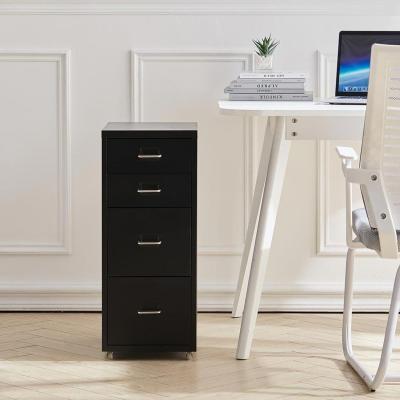
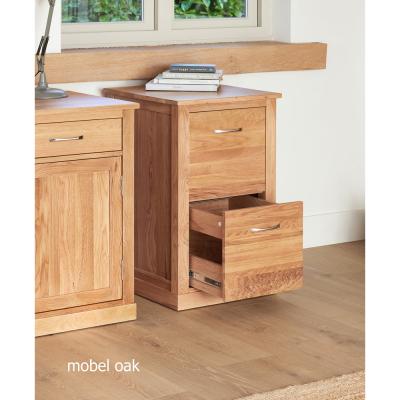
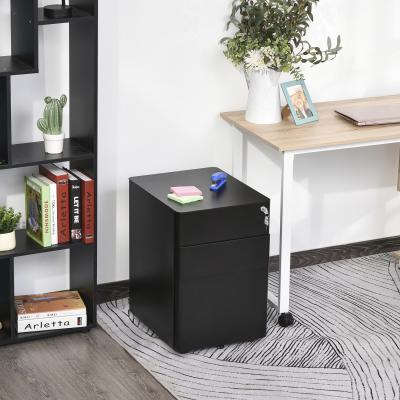
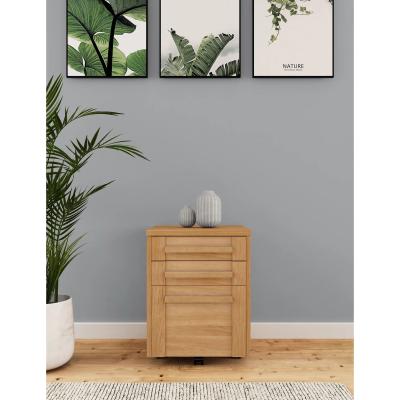
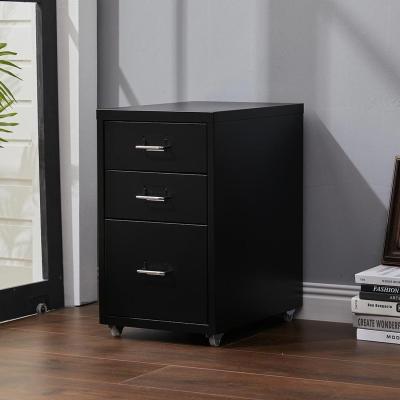
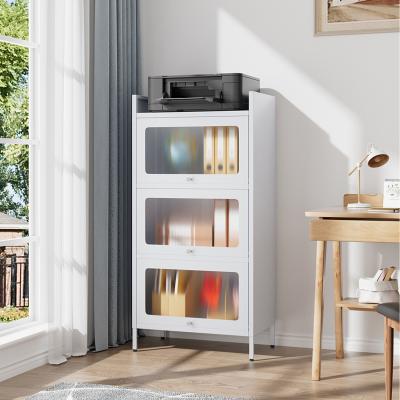
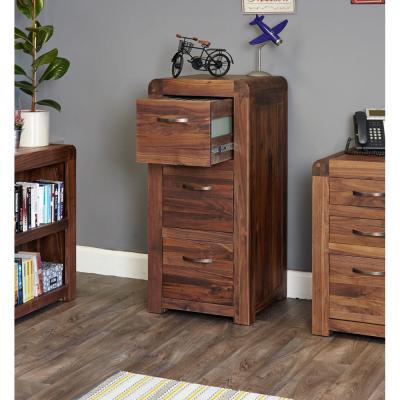
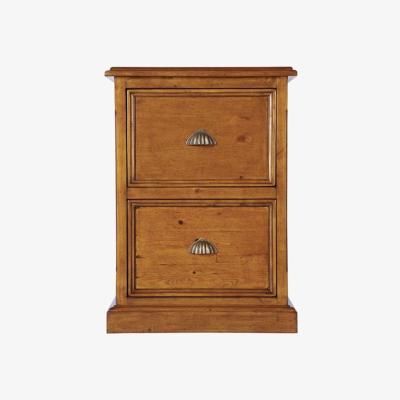
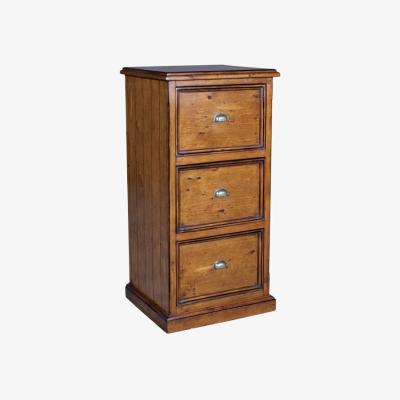
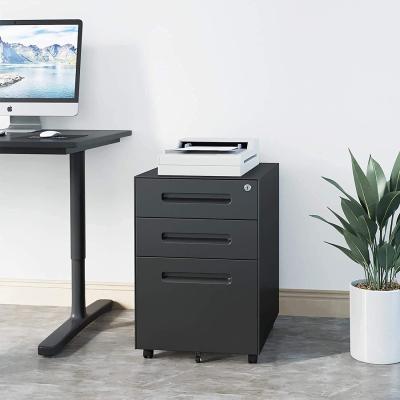
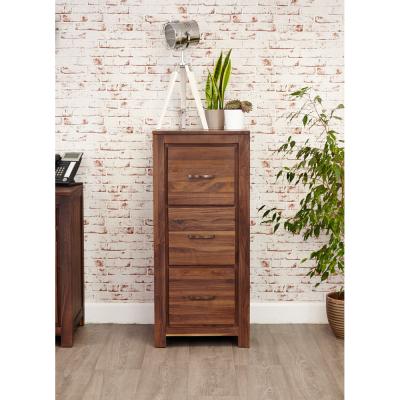
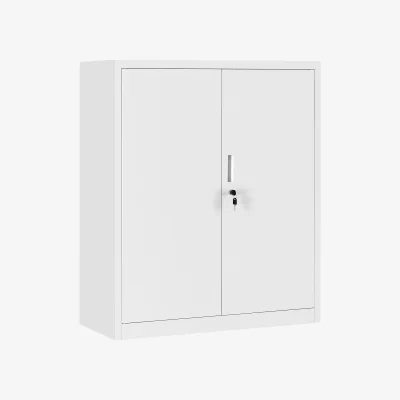
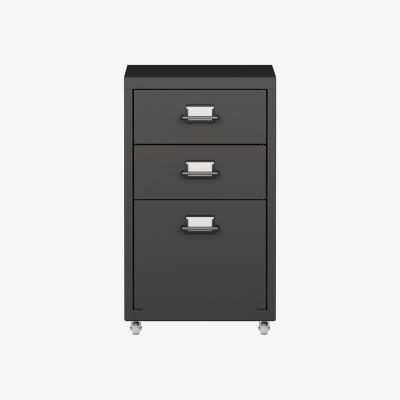
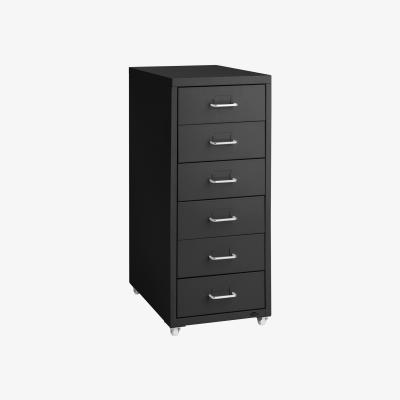
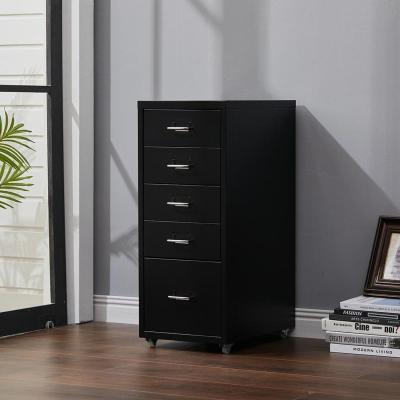
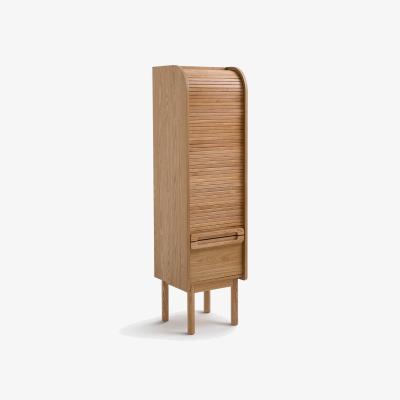
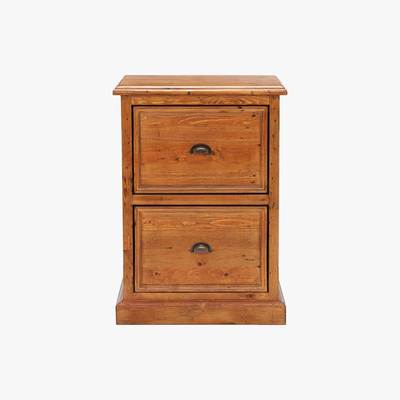
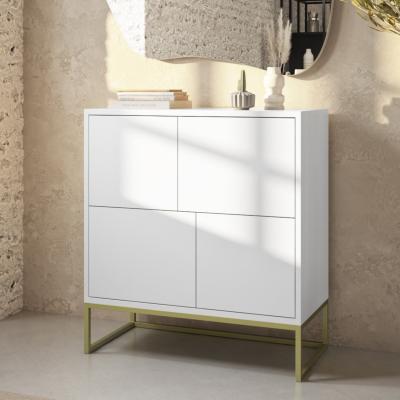
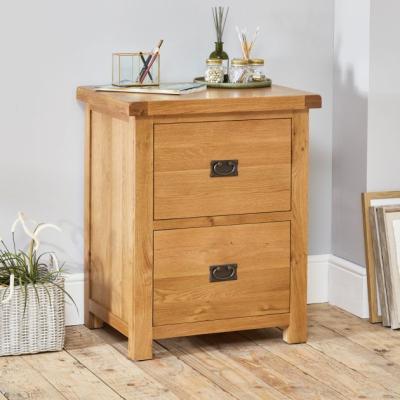
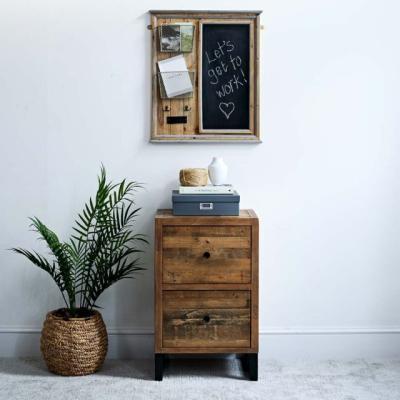
Filing cabinets come in two broad families: metal and wooden. Metal cabinets in steel are durable, lockable and built to take heavy use, often with two, three or four drawers stacked vertically. They suit dedicated home offices, garages and utility rooms where function matters more than appearance. Wooden filing cabinets in oak, pine or painted finishes read more like furniture and slot into living rooms, hallways and bedrooms without drawing attention to the office function.
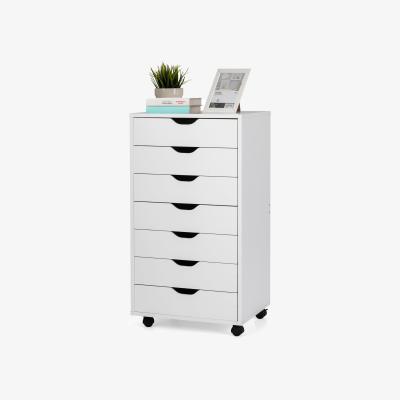
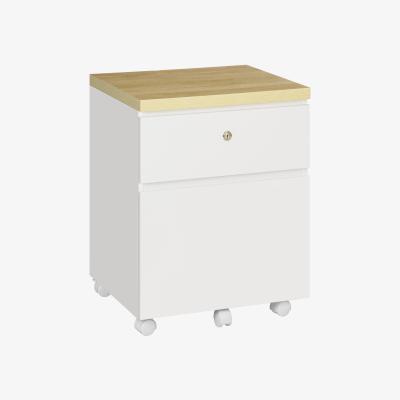
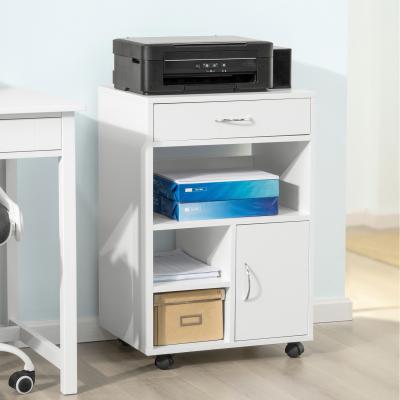
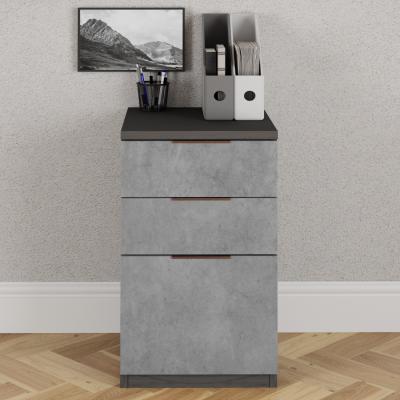
Internal capacity is the key specification. Most domestic filing cabinets are sized for A4 hanging files; larger commercial models also take foolscap. Two-drawer cabinets hold around 50 to 80 files (enough for most households), whilst three-drawer models add storage without occupying much more floor space. Mini two-drawer cabinets that are 60 to 70cm tall can double as a printer stand and tuck neatly under a desk. Four-drawer cabinets store the most but are tall - around 130 to 140cm - and best suited to a wall in a dedicated office. Some smaller cabinets sit on castors for moving between rooms, while heavier four-drawer units have levelling feet to keep drawers running smoothly on uneven floors. Drawer depth matters too: full-depth drawers at around 60cm take more files than the shorter drawers on slim cabinets.
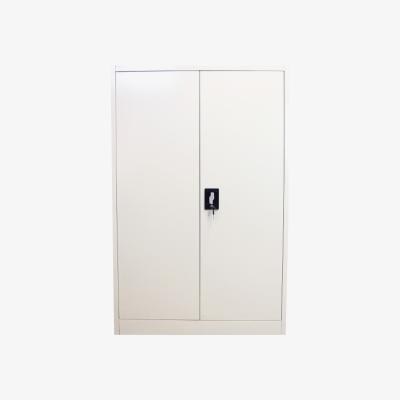
Lockable cabinets are worth seeking out for anything sensitive. A single key usually locks all drawers via a central bar, and replacement keys can be ordered from most manufacturers using the lock code stamped on the cabinet. For genuinely irreplaceable documents, fireproof cabinets are rated by how long they protect contents at high temperature: 30, 60 or 120 minutes. Although heavier and more expensive, they may be worth considering for documents that cannot be replaced.
Filing cabinets work alongside the rest of a home office. A two- or three-drawer cabinet sits comfortably next to or under an office desk, paired with a supportive office chair and an office storage unit for boxed items. Wooden filing cabinets blend with sideboards and bookcases in living rooms, while metal cabinets suit utility rooms and dedicated studies.
Flitch brings filing cabinets from more than 100 UK retailers into one searchable catalogue, so you can compare metal, wooden, lockable, fireproof and decorative options in one place. You can filter by drawer count, width, lock type, material and price, or use our stylist team for some advice on blending your filing cabinet into a living-room setup.
How many drawers do I need in a filing cabinet?
For most home use, two drawers are enough; each holds around 25 to 40 hanging files. Choose three or four if you also store manuals, consumables or business records that need regular access.
Do filing cabinets fit A4 files?
The standard domestic filing cabinet is sized for A4 hanging files. Foolscap, which is slightly larger, fits some commercial models but not all, so check the dimensions if your folders are oversized.
How do I replace a lost filing cabinet key?
Most cabinets have a lock code stamped on the face of the lock or inside the drawer. Contact the manufacturer with the code and they can issue a replacement. If no code is visible, a locksmith can pick the lock and supply a new one.
Can a filing cabinet sit under a desk?
Short two-drawer cabinets at 60 to 70cm will fit under most desks. Measure the height of the cabinet including any castors and check the desk's leg clearance before buying.
How do I stop a filing cabinet from tipping over?
Open only one drawer at a time, especially on tall four-drawer models. Better cabinets have an anti-tilt interlock that prevents two drawers opening simultaneously. Fix the cabinet to a wall using the brackets supplied for extra security.
Browse By...
Retailer
Arighi Bianchi Filing CabinetsBarker and Stonehouse Filing CabinetsCox and Cox Filing CabinetsDowntown Filing CabinetsDunelm Filing CabinetsFurniture Village Filing CabinetsFurniture123 Filing CabinetsHabitat Filing CabinetsJohn Lewis Filing CabinetsLa Redoute Filing CabinetsMarks & Spencer Filing CabinetsOak&More Filing CabinetsOKA Filing CabinetsTeddy Beau Filing CabinetsThe Conran Shop Filing CabinetsThe Range Filing CabinetsUrban Outfitters Filing CabinetsWestwing Filing CabinetsWoods Furniture Filing Cabinets
Colour
Arighi Bianchi Filing CabinetsHabitat Filing CabinetsThe Conran Shop Filing CabinetsBarker and Stonehouse Filing CabinetsJohn Lewis Filing CabinetsThe Range Filing CabinetsCox and Cox Filing CabinetsLa Redoute Filing CabinetsUrban Outfitters Filing CabinetsDowntown Filing CabinetsMarks & Spencer Filing CabinetsWestwing Filing CabinetsDunelm Filing CabinetsOak&More Filing CabinetsWoods Furniture Filing CabinetsFurniture Village Filing CabinetsOKA Filing CabinetsFurniture123 Filing CabinetsTeddy Beau Filing Cabinets


Home essentials at unbeatable prices

Sponsored