Home > Decor & Accessories > Clocks
Clocks
Clocks combine function with character, marking time while doubling as a focal point on a wall or shelf. At Flitch, you can browse a diverse range of clocks that cater to various tastes and interior styles - from oversized statement wall clocks above the sofa through to compact bedside alarms, or traditional grandfather designs and cuckoo clocks at the more nostalgic end. The right one anchors a blank wall, fills a mantel or pulls a styled shelf together.
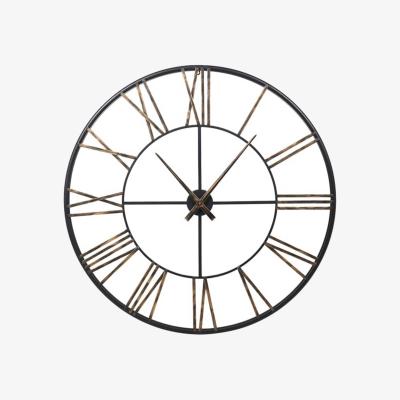
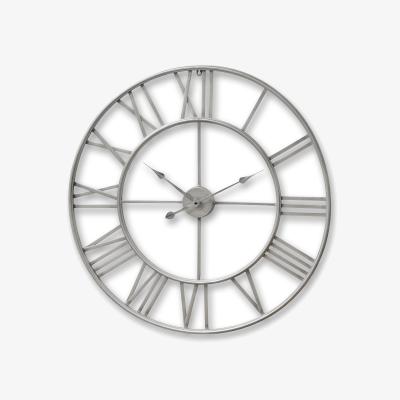
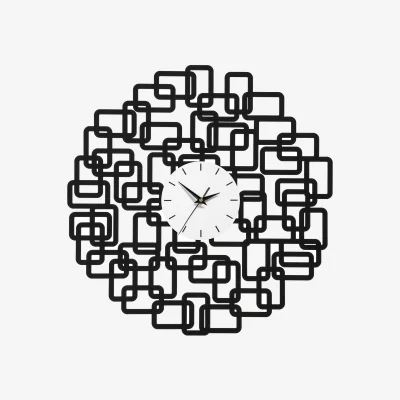
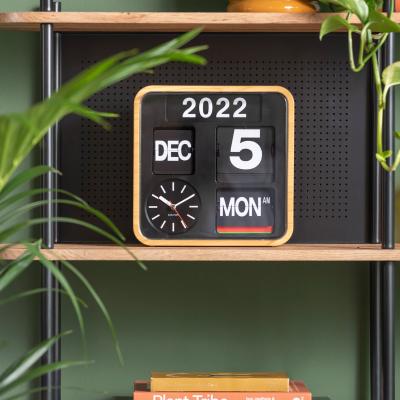
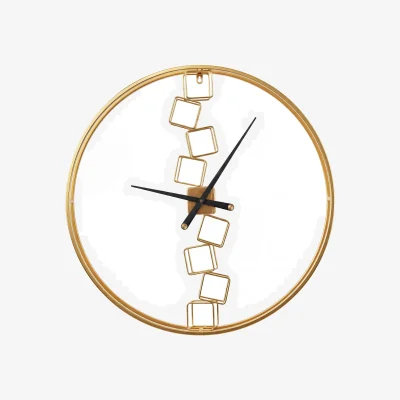
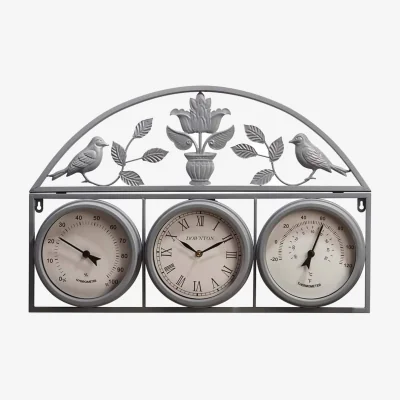
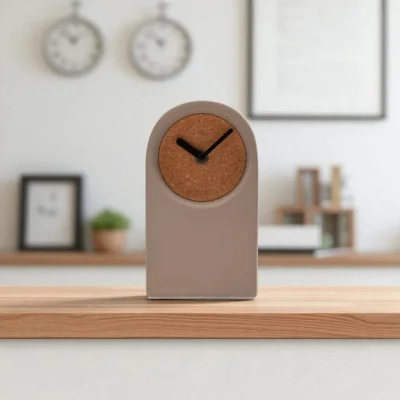
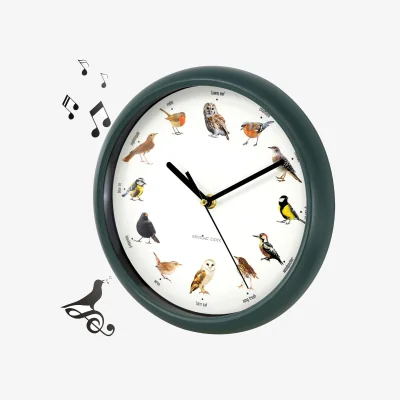
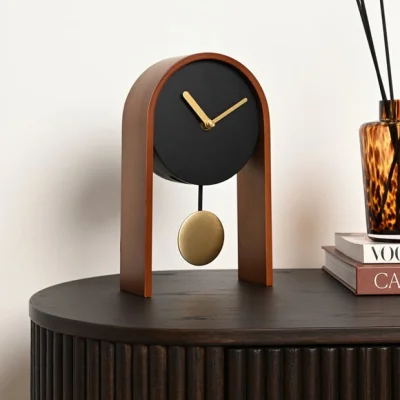
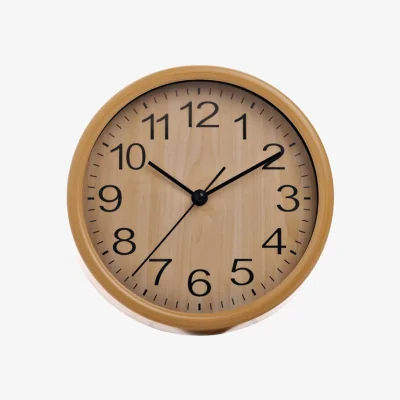
Wall clocks are the largest part of the market, with diameters ranging from compact 20cm kitchen pieces through to big 80cm statement designs that act almost as artwork. Modern wall clocks in minimalist black, white or grey suit contemporary interiors well, while antique and vintage designs with Roman numerals, pendulum mechanisms and aged metal cases bring warmth to rooms that want some traditional character. Tower-style clocks, modelled on station and street designs, sit somewhere between the two. Mantel clocks take a different approach altogether, sitting on shelves, fireplaces and side tables, and are typically smaller and more suited to a traditional setting than most wall-hung designs. At the largest and most imposing end are grandfather and longcase clocks, whose height and mechanical chimes make them as much a feature of a hallway as any piece of furniture.
The choice of material goes hand in hand with the interior style. Marble lends a polished, slightly formal weight to a mantel or console table, while metal designs in brushed steel, brass or matte black pull in a more industrial or contemporary direction. Wooden clocks in oak, walnut and reclaimed timber are the most forgiving as they sit comfortably in traditional, country and modern rooms alike - which is part of why they remain so popular. Where budget or colour matters more than material, acrylic and resin designs expand the palette considerably, from muted tones through to bolder, more graphic options.
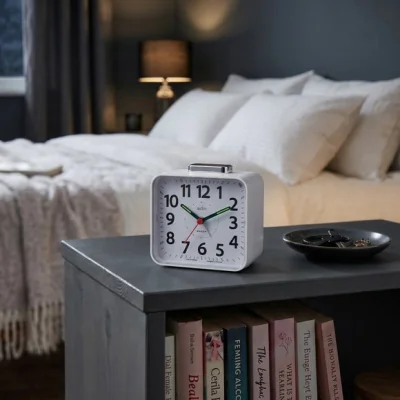
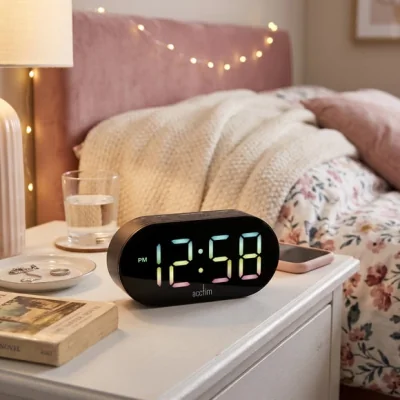
Beyond the wall, clocks serve specific rooms and purposes. Bedside alarm clocks with digital displays, radio functions or sunrise simulation replace the phone on the nightstand, while garden and outdoor designs are weatherproofed for sheds, patios and conservatories.
At Flitch, you can browse clocks from more than 100 UK retailers in one place. Use filters to narrow your search, view the price history to see how the price of a given piece has moved over time, and sign up for price drop alerts to catch a saving the moment it lands. For a steer on finding the right clock for your wall or shelf, our expert stylists are on hand.
What size wall clock do I need?
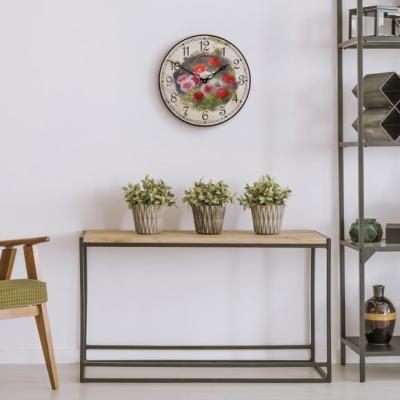
Match the clock to the wall behind it. For a clock hung above a sofa or sideboard, choose a diameter roughly half to two-thirds the width of the furniture beneath. Large empty walls suit clocks of 60cm or more, while smaller spaces look balanced with 30 to 40cm designs.
Where is the best place to hang a wall clock?
The general rule is to place clocks at eye level when standing - that's typically with the centre of the clock 150 to 160cm from the floor. Avoid placing clocks where they compete with other large pieces of artwork on the same wall.
Are silent clock movements worth the extra cost?
Standard quartz movements tick audibly, which can be distracting in bedrooms, home offices and nurseries. Silent sweep movements use a continuous motion instead, eliminating the tick at a small premium on the price. Pendulum and mechanical movements are inherently louder.
What is the difference between analog and digital clocks?
Analog clocks use hour and minute hands moving over a numbered face, and tend to suit traditional, formal and decorative settings. Digital clocks show the time as numerals on an LCD or LED screen, which is easier to read at a glance and useful for alarm clocks and bedside use.
What should I do if my clock stops keeping time?
First, check the battery and replace it if needed. Mechanical clocks may need winding or professional servicing to repair the movement. Make sure the clock is level and on a stable surface, since this can affect timekeeping in pendulum and mechanical designs.
How often do clocks need new batteries?
Most quartz wall clocks run for one to two years on a single AA battery. Atomic, radio-controlled and clocks with additional features such as backlight or alarm tend to drain batteries faster.
Browse By...
Retailer
Amara ClocksAnthropologie ClocksArighi Bianchi ClocksBarker and Stonehouse ClocksCox and Cox ClocksCuckooland ClocksDibor ClocksDowntown ClocksDunelm ClocksFurniture Village ClocksFurniture123 ClocksGraham & Green ClocksHabitat ClocksHeal's ClocksHomebase ClocksJohn Lewis ClocksKave Home ClocksLa Redoute ClocksMade in Design ClocksMarks & Spencer ClocksNkuku ClocksNordic Nest ClocksOAT Home ClocksOKA ClocksOlivia's ClocksPagazzi ClocksPerch and Parrow ClocksQuatropi ClocksRockett St George ClocksSazy ClocksTeddy Beau ClocksThe Conran Shop ClocksThe Range ClocksUrban Outfitters ClocksWestwing ClocksWolf & Badger Clocks
Colour
Sale
Other
Amara ClocksHabitat ClocksOlivia's ClocksAnthropologie ClocksHeal's ClocksPagazzi ClocksArighi Bianchi ClocksHomebase ClocksPerch and Parrow ClocksBarker and Stonehouse ClocksJohn Lewis ClocksQuatropi ClocksCox and Cox ClocksKave Home ClocksRockett St George ClocksCuckooland ClocksLa Redoute ClocksSazy ClocksDibor ClocksMade in Design ClocksTeddy Beau ClocksDowntown ClocksMarks & Spencer ClocksThe Conran Shop ClocksDunelm ClocksNkuku ClocksThe Range ClocksFurniture Village ClocksNordic Nest ClocksUrban Outfitters ClocksFurniture123 ClocksOAT Home ClocksWestwing ClocksGraham & Green ClocksOKA ClocksWolf & Badger Clocks

Home essentials at unbeatable prices

Sponsored