Home > Decor & Accessories > Artwork
Artwork
Choosing a piece of artwork is one of the few genuinely personal decisions in decorating a room. Unlike a sofa or a rug, it does not need to match anything, fulfil a function or suit everyone who lives there. A blank wall is the largest unused surface in most homes, and what you put on it tends to say more about the room than any other single choice.
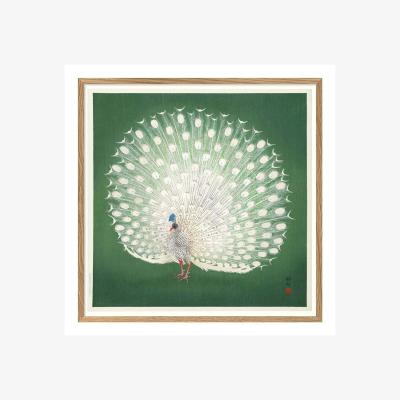
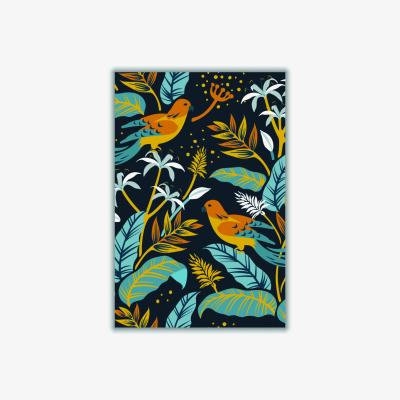
The style question is often less complicated than it feels. Abstract and modern pieces work well in minimal interiors because they add interest without competing with the room's clean lines. Pop art brings graphic colour and a note of irreverence; street art-inspired prints do something similar with more texture. For rooms that already have pattern and warmth, such as country kitchens or traditional living rooms with exposed brick or wooden beams, botanical illustrations, landscape paintings and animal portraits usually sit more comfortably than stark graphic work. Japanese woodblock prints, large-scale photography and resin art each occupy their own territory, and the honest answer is that the right piece is the one you want to look at every day, not necessarily the one that matches the cushions.
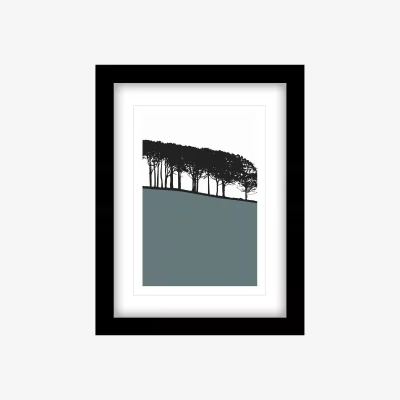
Format shapes the feeling as much as subject does. Canvas prints, unframed and stretched over a wooden frame, feel open and contemporary, as though the work belongs in the room rather than being displayed in it. Framed prints behind glass are more formal and more protective: the right choice for anything valuable, delicate or reproduced on paper. White and black mono prints carry a particular authority in rooms where colour is handled carefully elsewhere, and metal wall pieces and resin work add physical dimension that a flat print cannot.
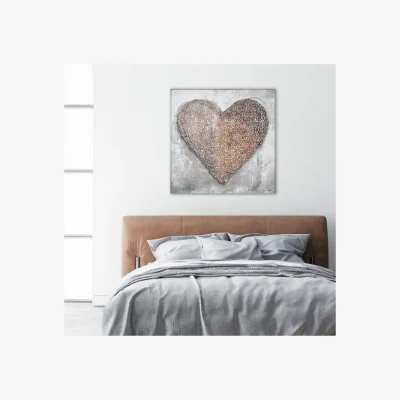
Placement is where most people go slightly wrong, and the standard mistake is hanging too high: the centre of the piece should sit at roughly 145 to 150cm from the floor, which is actual eye level (not door-frame level). Above a sofa, leave 15 to 25cm between the top of the back and the bottom of the frame. A well-placed picture light or wall light changes the piece entirely after dark. And a gallery wall works best when one element stays consistent, such as a shared frame colour or mat width, rather than when everything is mixed freely.
At Flitch, you can compare artwork from more than 100 UK retailers in a single search, with filters for colour, style and size. Price history shows how each piece has moved over time, and price drop alerts mean you do not miss a saving on something you have been watching. Our expert stylists are available if you want help building a collection that works as a whole rather than piece by piece.
What size artwork should I hang above a sofa?
Choose a piece roughly two-thirds the width of the sofa beneath it, hung 15 to 25cm above the back. Two smaller pieces side by side can fill the same space if you prefer not to commit to a single large work.
How high should artwork be hung?
The centre of the piece should sit roughly 145 to 150cm from the floor, which aligns with average eye level when standing. In dining rooms, where most viewing happens from a seated position, hanging slightly lower works better.
Is canvas or framed print better?
Canvas suits modern and casual interiors and reads as gallery-like without the reflection of glass. Framed prints behind glass protect the work from dust and fading, and suit traditional or formal rooms. The choice usually follows the style of the room rather than the image.
How do I build a gallery wall?
Plan the layout on the floor first, leaving 5 to 8cm between frames. Mix sizes and orientations for visual interest but, to hold the arrangement together, keep one element consistent - such as a single frame colour or mat width (the distance between the inner edge of the frame and the artwork itself). Hang the largest piece first and build outward.
Does artwork fade in sunlight?
Yes. Direct sunlight will fade prints, photographs and many paintings over time. UV-protective glass or museum-grade framing extends the life of anything valuable, and simply hanging away from south-facing windows makes a meaningful difference.
How do I choose artwork that fits the room?
Pick up one or two colours from the existing scheme, perhaps a cushion, a rug or curtain fabric, and look for pieces that echo them rather than matching exactly. Style tends to follow the rest of the room: minimal interiors suit clean abstracts, rooms with warmth and pattern suit botanical or landscape work, and sharper contemporary spaces tend to take stronger graphic pieces.
Browse By...
Retailer
Amara ArtworkAndrew Martin ArtworkAnthropologie ArtworkArighi Bianchi ArtworkBarker and Stonehouse ArtworkCasa by JJ ArtworkCox and Cox ArtworkCuckooland ArtworkCult Furniture ArtworkDibor ArtworkDowntown ArtworkDunelm ArtworkFrench Bedroom ArtworkFurniture Village ArtworkFurniture123 ArtworkGraham & Green ArtworkHabitat ArtworkHeal's ArtworkHomebase ArtworkIO Living ArtworkJohn Lewis ArtworkKave Home ArtworkLa Redoute ArtworkLayered Lounge ArtworkMade in Design ArtworkMarks & Spencer ArtworkMy Furniture ArtworkNkuku ArtworkNordic Nest ArtworkOKA ArtworkOliver Bonas ArtworkOlivia's ArtworkPagazzi ArtworkPerch and Parrow ArtworkQuatropi ArtworkRockett St George ArtworkRose & Grey ArtworkSazy ArtworkSofa.com ArtworkSoho Home ArtworkTeddy Beau ArtworkThe Conran Shop ArtworkThe Range ArtworkTobias Oliver ArtworkUrban Outfitters ArtworkWestwing ArtworkWolf & Badger ArtworkWoods Furniture Artwork
Colour
Sale
Other
Amara ArtworkHabitat ArtworkPagazzi ArtworkAndrew Martin ArtworkHeal's ArtworkPerch and Parrow ArtworkAnthropologie ArtworkHomebase ArtworkQuatropi ArtworkArighi Bianchi ArtworkIO Living ArtworkRockett St George ArtworkBarker and Stonehouse ArtworkJohn Lewis ArtworkRose & Grey ArtworkCasa by JJ ArtworkKave Home ArtworkSazy ArtworkCox and Cox ArtworkLa Redoute ArtworkSofa.com ArtworkCuckooland ArtworkLayered Lounge ArtworkSoho Home ArtworkCult Furniture ArtworkMade in Design ArtworkTeddy Beau ArtworkDibor ArtworkMarks & Spencer ArtworkThe Conran Shop ArtworkDowntown ArtworkMy Furniture ArtworkThe Range ArtworkDunelm ArtworkNkuku ArtworkTobias Oliver ArtworkFrench Bedroom ArtworkNordic Nest ArtworkUrban Outfitters ArtworkFurniture Village ArtworkOKA ArtworkWestwing ArtworkFurniture123 ArtworkOliver Bonas ArtworkWolf & Badger ArtworkGraham & Green ArtworkOlivia's ArtworkWoods Furniture Artwork
Home essentials at unbeatable prices

Sponsored