Mattresses
A mattress is the most-used piece of furniture in any home, taking around a third of every day's wear for the seven to ten years between replacements. That single fact reframes the choice: a mattress is less an interior purchase than an investment in sleep quality, and the right one shifts how rested you feel in a way no other bedroom item can match.
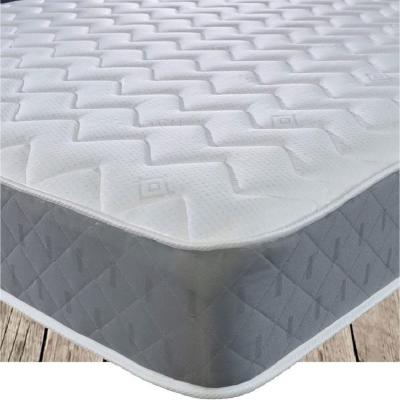
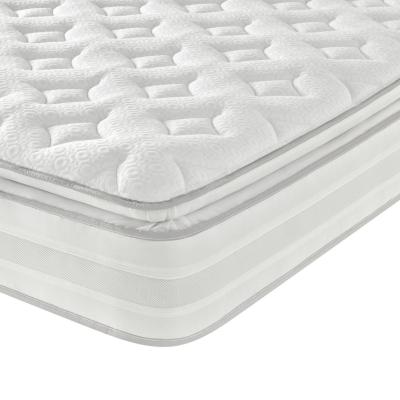
Pocket-sprung mattresses use individually wrapped springs that move independently, supporting the body precisely and isolating movement between sleepers; spring counts from 800 up to 3,000 are common in UK doubles. Memory foam mattresses contour to the body's shape and pressure, easing joint pain and isolating movement well, although some sleepers find them warmer than springs. Hybrid mattresses combine a pocket-sprung base with memory foam or latex on top: springs for support and airflow, foam for contouring and pressure relief. Finally, open-coil or sprung-edge mattresses use a single connected spring unit; they are the most affordable but offer less precise support than pocket-sprung models.
Firmness is graded soft through medium, medium-firm, firm and extra-firm. Side sleepers generally prefer medium to medium-firm so the shoulders and hips sink without misaligning the spine. Back sleepers tend towards medium-firm to firm for lumbar support, whereas front sleepers benefit from firmer mattresses to keep the spine from arching. Heavier sleepers generally need firmer support to avoid the mattress compressing under their weight; lighter sleepers can go softer.
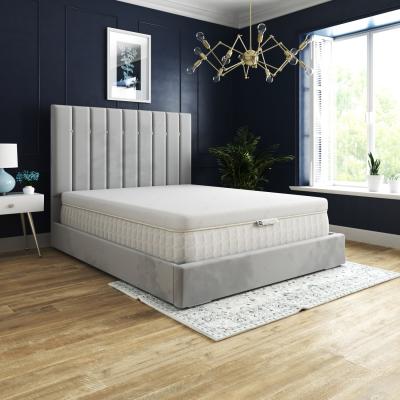
Standard UK mattress sizes are single (90 x 190cm), small double (120 x 190cm), double (135 x 190cm), king (150 x 200cm) and super-king (180 x 200cm). Depth varies from around 18cm for a basic spring mattress up to 30cm or more for premium hybrids. Deep mattresses can sit too high above a footboard or headboard, so check the bed frame's specification before buying.
Price varies enormously. Budget options including open-coil singles start around £100, whereas premium pocket-sprung and hybrid mattresses can run from £600 to £2,000 or more for a king. The bigger quality gap is usually materials rather than brand: look for high-grade foam densities (over 40kg/m³) and natural fillings in wool, cotton or cashmere at the upper price tiers. A good mattress protector extends the life of any mattress significantly and keeps it within warranty; a mattress topper can adjust the feel after purchase. To get a good deal, keep an eye out for mattresses on sale.
Flitch brings mattresses from more than 100 UK retailers together in one place, so you can compare the same size, firmness and construction across brands without switching between sites. Our filters cover spring count, firmness, depth and material; price history reveals where a model has been cheaper, and price drop alerts notify you when retailers reduce (mattresses are frequently discounted, so the saving can be meaningful). Our expert stylists are available for anything more involved.
How often should I replace my mattress?
Every 7 to 10 years. Sagging, persistent aches on waking, visible dips and worsening sleep are the usual signs it has reached the end of its life.
What firmness is best for back pain?
Medium-firm is the most widely recommended, balancing spine alignment with pressure relief. Very soft mattresses can let the hips sink and curve the spine; very firm can create pressure points at the shoulders and hips.
Are memory foam mattresses hot to sleep on?
Older memory foam can trap body heat. Gel-infused, copper-infused or open-cell foam designs address this directly, and hybrid mattresses with a pocket-sprung base under the foam are noticeably cooler than all-foam designs.
What is a hybrid mattress?
A hybrid combines pocket springs with a memory foam or latex top layer: springs for support and airflow, foam for contouring and pressure relief. It suits people who find all-foam too warm or all-spring too firm.
How should I clean a mattress?
Vacuum the surface regularly, spot-clean stains with a mild detergent and cold water (hot water sets protein stains), and air the mattress by pulling back the bedding for an hour each morning. A good mattress protector does most of the work by stopping stains reaching the mattress in the first place.
How long does it take to break in a new mattress?
Most new mattresses settle within 30 nights. Memory foam may take slightly longer to soften, and firmer pocket-sprung mattresses ease off their initial firmness over a few weeks.
Browse By...
Retailer
And So To Bed MattressesArighi Bianchi MattressesBarker and Stonehouse MattressesBHS.com MattressesCox and Cox MattressesCuckooland MattressesDowntown MattressesDreams MattressesDunelm MattressesFeather & Black MattressesFrench Bedroom MattressesFurniture Village MattressesFurniture123 MattressesGraham & Green MattressesHabitat MattressesHappy Beds MattressesHeal's MattressesHomebase MattressesJohn Lewis MattressesKave Home MattressesLa Redoute MattressesLoaf MattressesMade in Design MattressesMarks & Spencer MattressesMy Furniture MattressesNkuku MattressesNordic Nest MattressesOak&More MattressesOAT Home MattressesOKA MattressesOlivia's MattressesPagazzi MattressesPerch and Parrow MattressesSofa.com MattressesSoho Home MattressesTeddy Beau MattressesThe Conran Shop MattressesThe Range MattressesWestwing MattressesWoods Furniture Mattresses
Colour
Material
And So To Bed MattressesHabitat MattressesOAT Home MattressesArighi Bianchi MattressesHappy Beds MattressesOKA MattressesBarker and Stonehouse MattressesHeal's MattressesOlivia's MattressesBHS.com MattressesHomebase MattressesPagazzi MattressesCox and Cox MattressesJohn Lewis MattressesPerch and Parrow MattressesCuckooland MattressesKave Home MattressesSofa.com MattressesDowntown MattressesLa Redoute MattressesSoho Home MattressesDreams MattressesLoaf MattressesTeddy Beau MattressesDunelm MattressesMade in Design MattressesThe Conran Shop MattressesFeather & Black MattressesMarks & Spencer MattressesThe Range MattressesFrench Bedroom MattressesMy Furniture MattressesWestwing MattressesFurniture Village MattressesNkuku MattressesWoods Furniture MattressesFurniture123 MattressesNordic Nest MattressesGraham & Green MattressesOak&More Mattresses


Home essentials at unbeatable prices

Sponsored