Pillows
A pillow is the one piece of bedding that affects how you feel in the morning more directly than any other. The right support keeps head and neck level through the night; the wrong one (whether too flat, too firm or wrongly angled) can lead to the stiff neck, the tight shoulder, the headache that is still there at breakfast. Choosing well starts with sleeping position, which determines the loft and firmness needed before material is even considered.
Side sleepers generally need a firmer, taller pillow to fill the gap between shoulder and ear. Back sleepers do better with a medium-loft option that follows the natural curve of the neck. Front sleepers usually prefer something softer and flatter to avoid pushing the spine out of alignment. Beyond position, the firmness of the mattress plays a part. A softer mattress allows the shoulders to sink more, reducing the gap the pillow needs to fill. Firmness ratings typically range from soft through medium to firm and extra firm, with the right level depending on both your sleeping position and the firmness of your mattress.
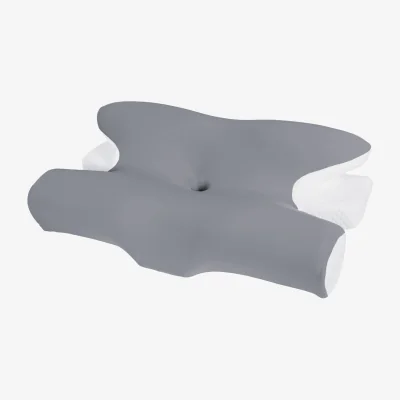
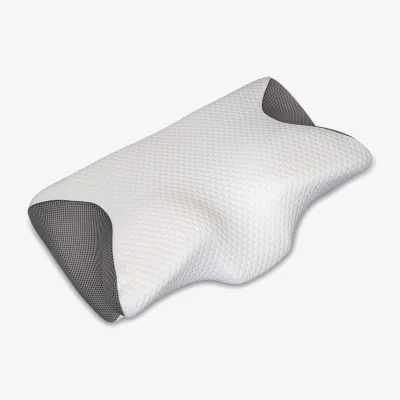
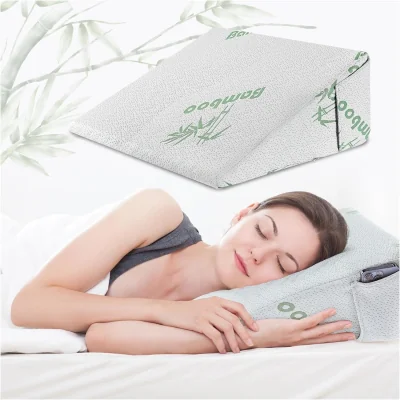
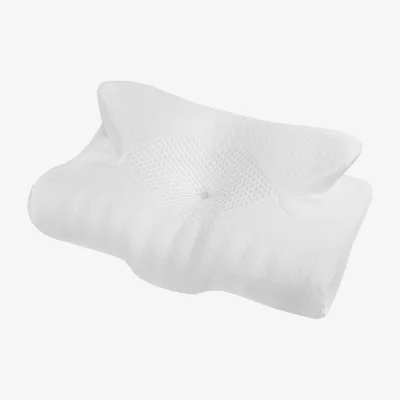
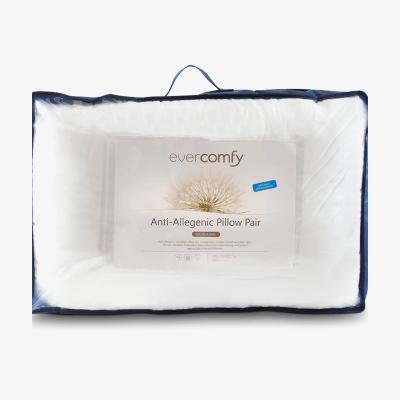
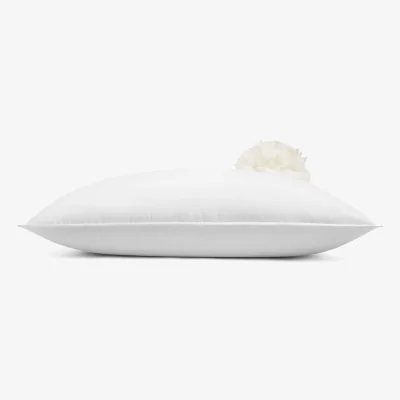
Filling then shapes the feel, longevity and care of your pillow. Down and feather pillows feel the most luxurious, mouldable in the hand and light against the face - luxury hotels tend to use these for good reason. Memory foam pillows, including shaped, orthopaedic and cervical options, hold the contour of the head and neck, offering steady support for sleepers with back, shoulder or neck pain. For warm sleepers, a ventilated or cooling gel-infused option helps. Bamboo-blend pillows also help hot sleepers, and silk-filled and wool-filled options regulate temperature naturally. Latex is a firmer material, although cooler and naturally hypoallergenic. Hollowfibre and microfibre synthetics are lighter on the pocket, machine-washable and a good choice for households dealing with dust mites or allergies.
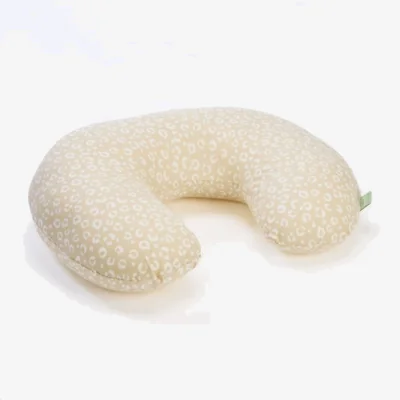
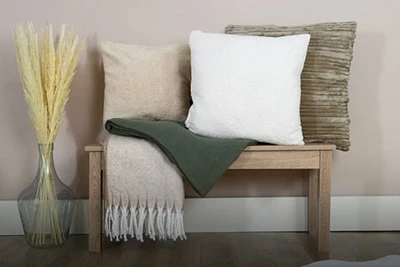
You'll also find specialist pillow shapes that serve specific needs. Pregnancy and maternity pillows wrap around the body to support the bump and lower back, with U-shaped and long body pillows the most popular forms. Wedge pillows raise the upper body to help with reflux, snoring and post-surgery recovery, while bolster, knee, leg and lumbar pillows ease pressure in targeted areas. Decorative fabric pillows in coordinating colours can also serve as accent pieces on the made bed.
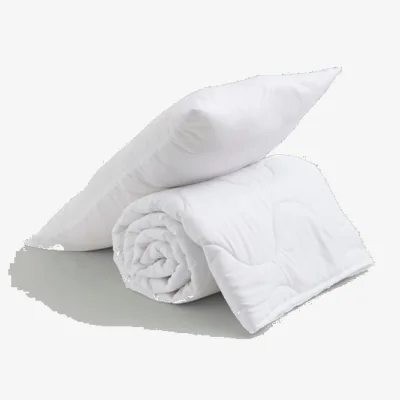
The standard UK pillow size is 50 x 75cm, with king, super king and square continental sizes also widely available, alongside smaller cot and toddler options. Plain white and grey remain the most popular colours. Pillows pair with pillowcases and pillow protectors for hygiene and longevity, alongside a duvet, duvet cover and bed sheets to complete the bed. For younger family members, children's pillows are sized and softened appropriately.
Flitch brings together pillows from more than 100 UK retailers in one place, so you can compare fillings, firmness levels, shapes and sizes side by side. Filters narrow by filling, firmness, size and price, price history shows how individual pillows have tracked, and price drop alerts catch a saving. Our expert stylists are available for anyone working through the trade-offs between natural and synthetic, or selecting a specialist shape for sleep, support or recovery.
How often should I replace my pillow?
Most pillows need replacing every one to two years. Fold the pillow in half and let go; if it does not spring back, the filling has lost its support and it is time for a new one.
What pillow firmness do I need?
Side sleepers usually need firm or extra firm, back sleepers benefit from medium support, and front sleepers tend to prefer soft and flat. The firmness of the mattress affects this too: a softer mattress allows more shoulder sink and may need a slightly lower pillow.
Are memory foam pillows worth it?
Memory foam contours to the head and neck and provides consistent support. It is helpful for neck pain, shoulder pain or recovery from injury. The main trade-off is heat retention: look for ventilated or gel-infused versions if you sleep warm.
Can pillows be washed at home?
Hollowfibre, microfibre and many down pillows can be machine-washed at a low temperature and tumble-dried with dryer balls to redistribute the filling. Memory foam should not be machine-washed, only spot-cleaned and aired.
What is a pregnancy pillow?
A long or U-shaped body pillow designed to support the bump, lower back and knees during pregnancy. Many women continue to use them afterwards for nursing, breastfeeding or simply added comfort.
Browse By...
Retailer
Amara PillowsAnd So To Bed PillowsAnthropologie PillowsArighi Bianchi PillowsBarker and Stonehouse PillowsBHS.com PillowsCasa by JJ PillowsCuckooland PillowsDowntown PillowsDreams PillowsDunelm PillowsFeather & Black PillowsFrench Bedroom PillowsFurniture Village PillowsGraham & Green PillowsHabitat PillowsHappy Beds PillowsHeal's PillowsHomebase PillowsJohn Lewis PillowsKave Home PillowsLa Redoute PillowsLoaf PillowsMade in Design PillowsMarks & Spencer PillowsNkuku PillowsNordic Nest PillowsOKA PillowsOliver Bonas PillowsOlivia's PillowsPerch and Parrow PillowsRockett St George PillowsSofa.com PillowsSoho Home PillowsTeddy Beau PillowsThe Conran Shop PillowsThe Range PillowsThe Rug Seller PillowsTobias Oliver PillowsUrban Outfitters PillowsWestwing PillowsWolf & Badger PillowsWoods Furniture Pillows
Colour
Material
Sale
Amara PillowsHabitat PillowsPerch and Parrow PillowsAnd So To Bed PillowsHappy Beds PillowsRockett St George PillowsAnthropologie PillowsHeal's PillowsSofa.com PillowsArighi Bianchi PillowsHomebase PillowsSoho Home PillowsBarker and Stonehouse PillowsJohn Lewis PillowsTeddy Beau PillowsBHS.com PillowsKave Home PillowsThe Conran Shop PillowsCasa by JJ PillowsLa Redoute PillowsThe Range PillowsCuckooland PillowsLoaf PillowsThe Rug Seller PillowsDowntown PillowsMade in Design PillowsTobias Oliver PillowsDreams PillowsMarks & Spencer PillowsUrban Outfitters PillowsDunelm PillowsNkuku PillowsWestwing PillowsFeather & Black PillowsNordic Nest PillowsWolf & Badger PillowsFrench Bedroom PillowsOKA PillowsWoods Furniture PillowsFurniture Village PillowsOliver Bonas PillowsGraham & Green PillowsOlivia's Pillows


Home essentials at unbeatable prices

Sponsored