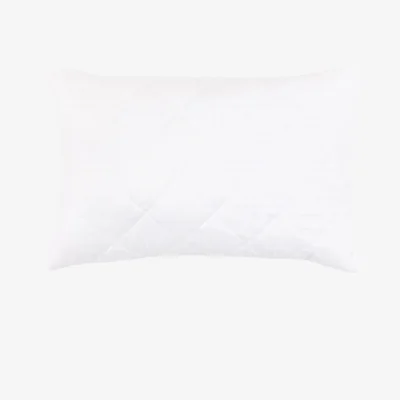
Pillow Protectors
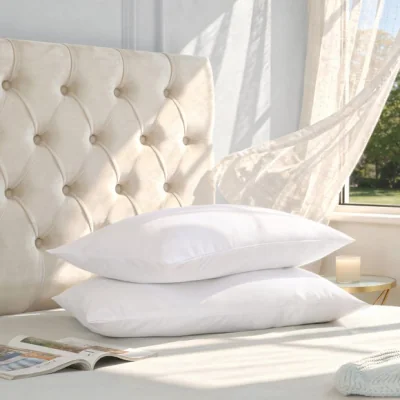
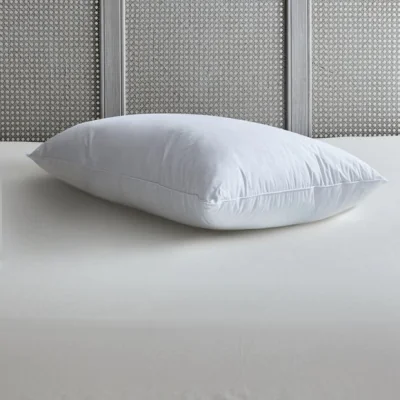
Pillow protectors do the same job for a pillow that a mattress protector does for a mattress: they sit invisibly underneath the pillowcase, take the overnight contact with skin, oils and sweat, and wash far more easily than the pillow itself. Most pillows are not designed for regular machine washing, and the yellowing that happens to unprotected pillows within a few months is the predictable result of that gap. A protector extends the life of a good pillow significantly, and some manufacturers require one to keep the pillow within warranty.
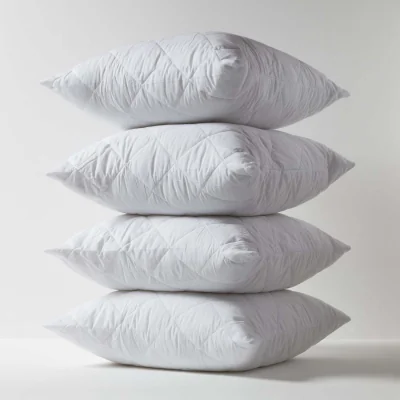
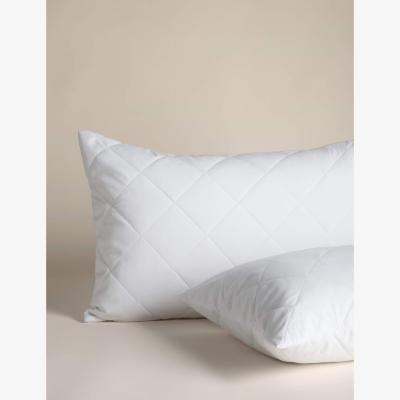
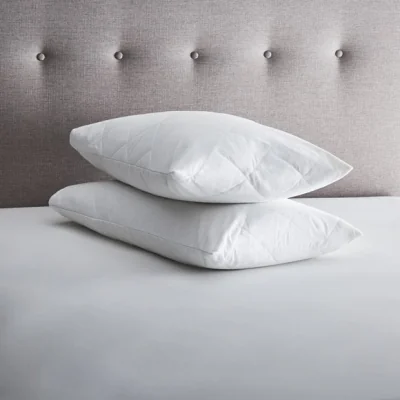
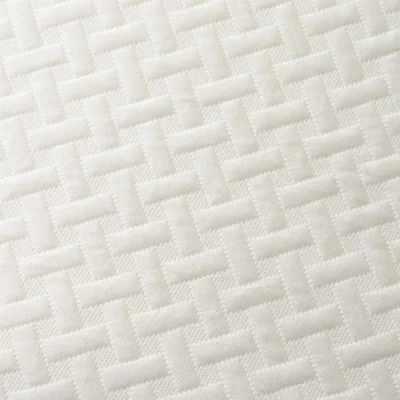
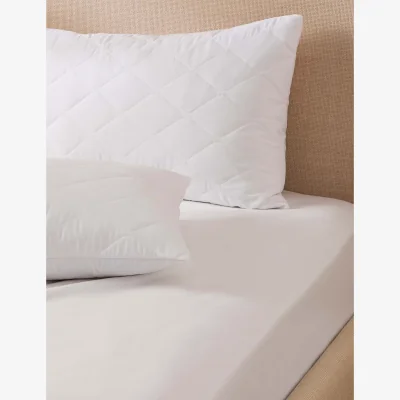
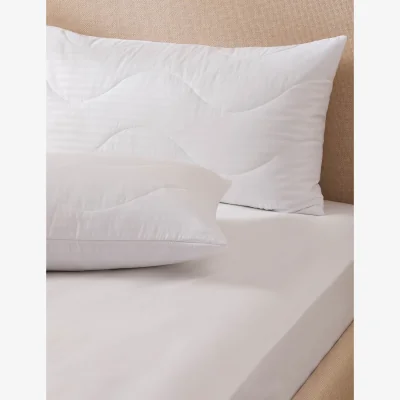
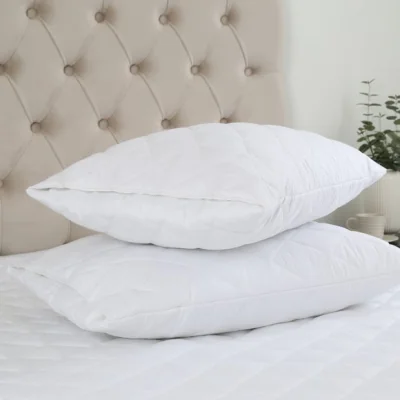
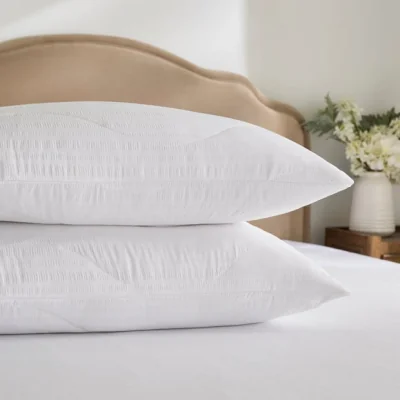
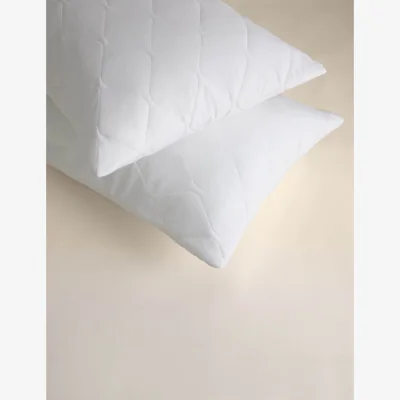
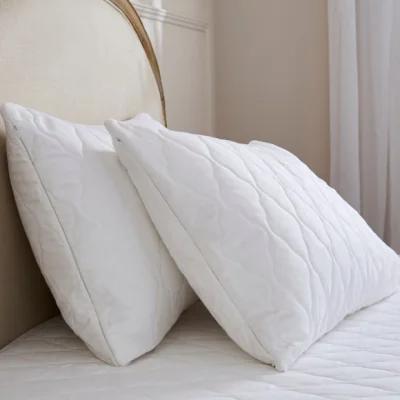
Waterproof pillow protectors are the most common type, using a breathable membrane to block liquid while still allowing air to circulate. Modern versions are silent and soft in a way that older PU-backed designs were not. They suit children's rooms, anyone with night sweats, and households where a new pillow is worth protecting from day one. Anti-allergy and dust-mite resistant versions use a tighter weave or treated layer to reduce allergen exposure, and are widely recommended for asthma, eczema and hay fever sufferers. Quilted cotton protectors give a softer feel and slightly more cushion without the waterproof layer. They suit dry bedrooms where breathability matters most. Bamboo options use a naturally breathable fibre that suits hot sleepers, and zip-closure designs enclose the pillow fully on all sides for maximum protection.
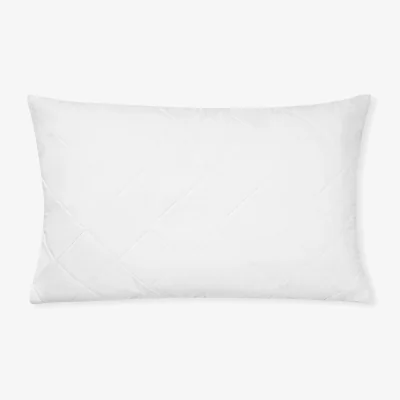
Standard UK protectors fit 50 x 75cm pillows, with king, super-king and large continental sizes for bigger pillows. Zip closures are the most secure fastening, and 100% cotton facings are widely used to keep the protector breathable and machine-washable. Most households keep two protectors per pillow in rotation so there is always a clean one to hand.
Flitch brings together pillow protectors from more than 100 UK retailers in one place, so you can compare waterproof, anti-allergy, cotton-faced and zip-closure options side by side. Filters narrow by size, material and price, price history shows how individual protectors have tracked, and price drop alerts catch a saving. Our expert stylists are available for anyone setting up a hypoallergenic bedroom or working through warranty requirements for a new pillow purchase.
What is the difference between a pillow protector and a pillowcase?
A pillow protector is a hygienic inner layer that goes on first, often with a zip closure and a waterproof or anti-allergy fabric. A pillowcase is the decorative outer layer that slips on top and is visible on the bed.
Do I really need a pillow protector?
If you want to extend the life of a good pillow, control allergens or protect against night sweats, a protector is one of the simplest and cheapest investments to make. They also keep some manufacturers' warranties valid.
Will a protector make the pillow feel hot or noisy?
Older PU-backed designs sometimes did. Modern breathable membranes, quilted cotton facings and silent fabrics are designed to feel soft and quiet underneath the pillowcase, so look for terms like cool, silent or breathable if either is a concern.
How often should I wash a pillow protector?
Every one to two months as standard, or more often after illness, spills or if you have allergies. Most are machine-washable at 40 to 60 degrees; check the care label, particularly for waterproof versions.
Can pillow protectors help with allergies?
Anti-allergy versions block dust mites and reduce exposure to common allergens including pet dander and pollen. They are widely recommended for asthma and eczema sufferers as part of a wider hypoallergenic bedroom setup.
Browse By...
Retailer
Amara Pillow ProtectorsAnd So To Bed Pillow ProtectorsArighi Bianchi Pillow ProtectorsDowntown Pillow ProtectorsDunelm Pillow ProtectorsFeather & Black Pillow ProtectorsFrench Bedroom Pillow ProtectorsHabitat Pillow ProtectorsJohn Lewis Pillow ProtectorsLa Redoute Pillow ProtectorsMarks & Spencer Pillow ProtectorsPerch and Parrow Pillow ProtectorsSoho Home Pillow ProtectorsThe Range Pillow Protectors
Amara Pillow ProtectorsFeather & Black Pillow ProtectorsMarks & Spencer Pillow ProtectorsAnd So To Bed Pillow ProtectorsFrench Bedroom Pillow ProtectorsPerch and Parrow Pillow ProtectorsArighi Bianchi Pillow ProtectorsHabitat Pillow ProtectorsSoho Home Pillow ProtectorsDowntown Pillow ProtectorsJohn Lewis Pillow ProtectorsThe Range Pillow ProtectorsDunelm Pillow ProtectorsLa Redoute Pillow Protectors

Home essentials at unbeatable prices

Sponsored