Duvets
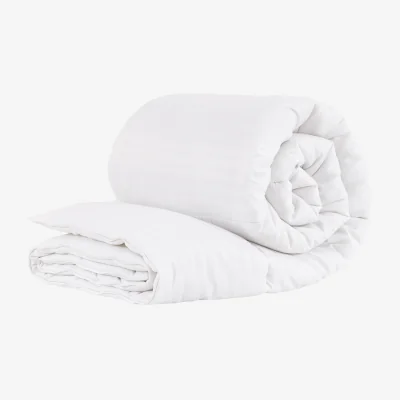
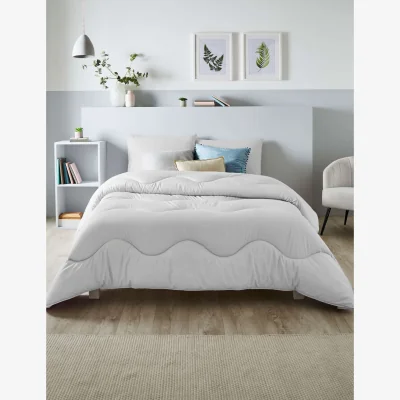
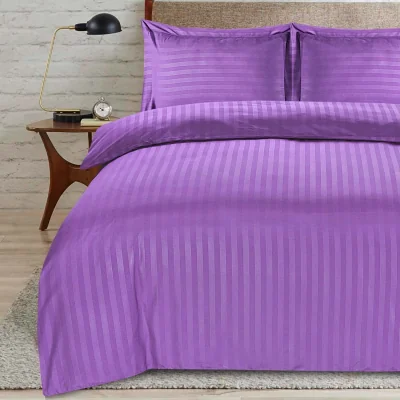
A duvet is the soft quilt that sits inside your bedding, providing the warmth and weight that makes a bed feel inviting. Unlike a duvet cover, which is the removable outer shell, the duvet itself is the filled insert that does the insulating. Choosing one comes down to three decisions: the size, the tog rating and the type of filling, with each shaping how the duvet feels and how well it suits the season and the sleeper.
Tog is the most misunderstood specification. It measures thermal insulation, not heaviness. A light synthetic duvet can have a higher tog than a heavier one. A 4.5 tog duvet is light and cool for summer; 7.5 to 10.5 suits most people through spring, autumn and mild winters; and 13.5 to 15 tog keeps the heat in during the coldest months. All-season sets, where two lighter duvets press-stud together, are a practical compromise for households that do not want to manage separate summer and winter duvets. Sizes follow standard UK dimensions: single, double, king and super-king, with cot and toddler sizes for nurseries. Your duvet cover should match the duvet exactly, so it is worth confirming the dimensions before ordering.
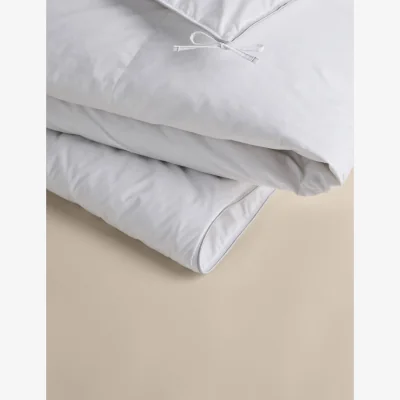
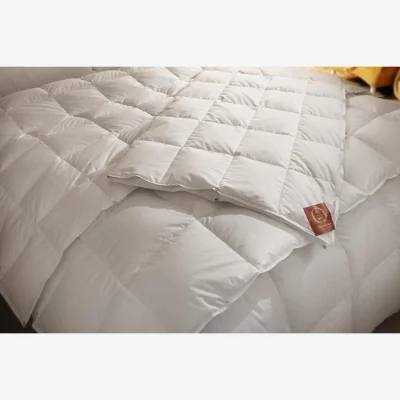
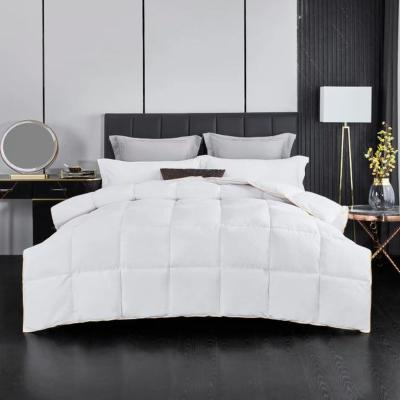
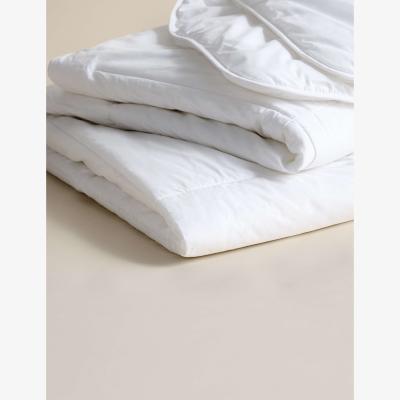
Fillings divide into natural and synthetic, and the gap between them has narrowed considerably. Down and feather duvets feel the lightest for their warmth, with goose down typically loftier and warmer than duck and the filling that most luxury hotels use. Wool regulates temperature through the night in a way that most other fillings do not, staying cool when you are warm and retaining heat when the temperature drops. Silk is fine, breathable and prized for its temperature-regulating properties. Synthetic hollowfibre and microfibre duvets are the most machine-washable and allergy-friendly option. Modern versions have improved enough that the quality gap with natural fillings is harder to justify than it used to be. Bamboo-blend duvets suit those wanting a more sustainable, naturally cooling alternative. Teddy and fleece duvets offer a heavy, plush option for winter.
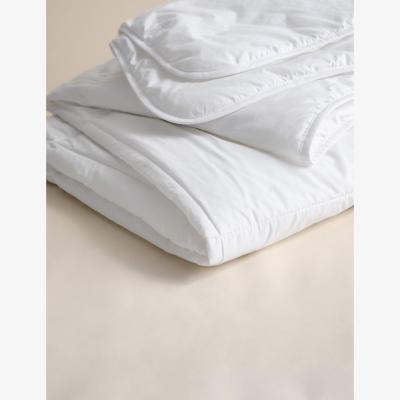
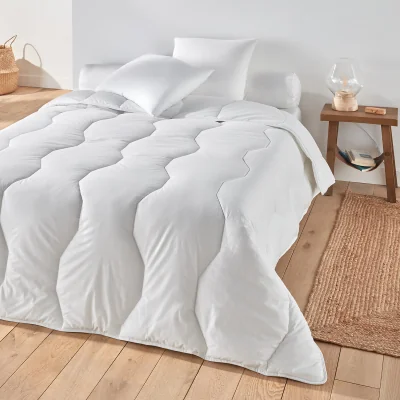
Plain white duvets are standard since the duvet itself sits inside a cover and rarely shows. The whole system works best when the parts are matched to each other: duvet with the right tog for the season, paired with a duvet cover in the matching size, on top of bed sheets and beside pillows in pillowcases, with a mattress protector underneath protecting the mattress below.
Flitch brings together duvets from more than 100 UK retailers in one place, so you can compare togs, fillings and sizes side by side. Use tog, filling, size and price filters to find the right item, check price histories to see how the price of individual duvets has moved over time, and register for price drop alerts to catch any saving. Our expert stylists are on hand for anyone weighing up natural versus synthetic, or deciding between a single year-round duvet and a seasonal pair.
What tog duvet do I need?
A 4.5 tog suits summer, 7.5 to 10.5 covers spring, autumn and most year-round use, and 13.5 to 15 tog is best for winter. Bedrooms that run warm or sleepers who feel the heat may prefer lower togs even in colder months.
What is the difference between down and feather duvets?
Down comes from the soft, fluffy cluster beneath a bird's outer feathers, offering more warmth for less weight. Feather duvets use the firmer outer feathers and feel slightly heavier. Many duvets blend both fillings to balance warmth and cost.
Are synthetic duvets a good alternative?
Yes. Hollowfibre and microfibre duvets are lighter on the pocket, machine-washable and suitable for allergy sufferers. Modern versions now mimic the loft of natural fillings well enough that the choice often comes down to personal preference rather than quality.
How long does a duvet last?
Most duvets last around five years with regular use. Natural-filled duvets often last longer if shaken out daily and aired regularly. Signs it is time to replace: flat sections that will not redistribute, persistent lumps, or worsening allergy symptoms despite regular washing.
What is a coverless duvet?
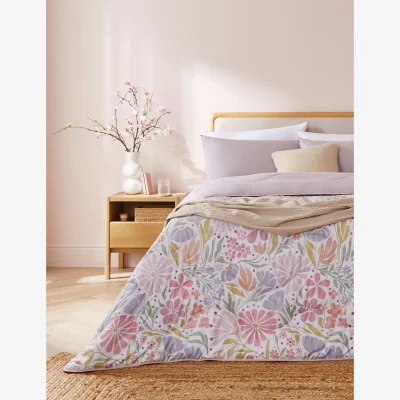
A coverless duvet has a printed or patterned outer in place of the usual plain casing, so it does not need a separate duvet cover. It works like a thick quilt and is popular for guest rooms and children's beds.
Browse By...
Retailer
Amara DuvetsAnd So To Bed DuvetsAnthropologie DuvetsArighi Bianchi DuvetsBarker and Stonehouse DuvetsBHS.com DuvetsCuckooland DuvetsDowntown DuvetsDreams DuvetsDunelm DuvetsFeather & Black DuvetsFurniture Village DuvetsGraham & Green DuvetsHabitat DuvetsHeal's DuvetsHomebase DuvetsJohn Lewis DuvetsKave Home DuvetsLa Redoute DuvetsLoaf DuvetsMarks & Spencer DuvetsNordic Nest DuvetsOlivia's DuvetsPerch and Parrow DuvetsSoho Home DuvetsThe Conran Shop DuvetsThe Range DuvetsUrban Outfitters DuvetsWolf & Badger Duvets
Colour
Sale
Amara DuvetsFeather & Black DuvetsMarks & Spencer DuvetsAnd So To Bed DuvetsFurniture Village DuvetsNordic Nest DuvetsAnthropologie DuvetsGraham & Green DuvetsOlivia's DuvetsArighi Bianchi DuvetsHabitat DuvetsPerch and Parrow DuvetsBarker and Stonehouse DuvetsHeal's DuvetsSoho Home DuvetsBHS.com DuvetsHomebase DuvetsThe Conran Shop DuvetsCuckooland DuvetsJohn Lewis DuvetsThe Range DuvetsDowntown DuvetsKave Home DuvetsUrban Outfitters DuvetsDreams DuvetsLa Redoute DuvetsWolf & Badger DuvetsDunelm DuvetsLoaf Duvets


Home essentials at unbeatable prices

Sponsored