Bed Sheets
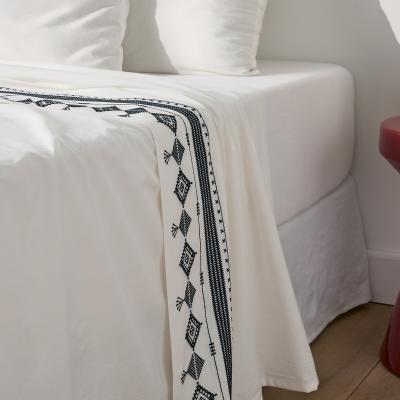
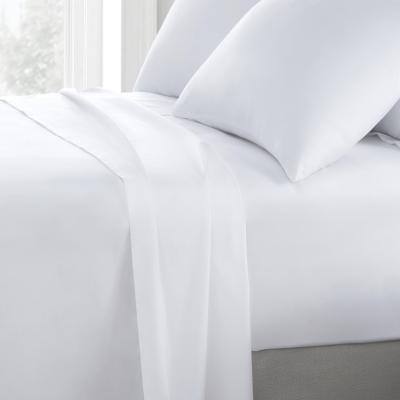
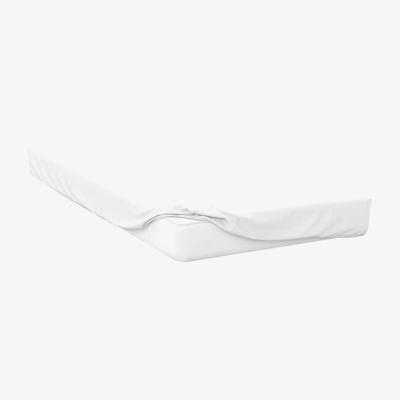
The difference between a bed sheet that works and one that doesn't usually comes down to details: whether the surface feels cool or slightly rough against the skin, whether the corners stay put through the night, whether the fabric survives washing without pilling. Fitted sheets do the most work, stretching over the mattress; flat sheets sit between you and the duvet; valance sheets combine a fitted base with a decorative skirt that covers the bed base below. As the layer that sits closest to your body through the night, getting it right matters more than most people assume going in.
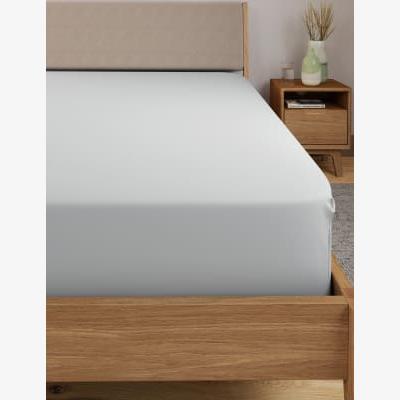
Sizing is where most people run into trouble. UK standard sizes run from cot through to super king, with single, double, king and super-king sheets covering most bedrooms. A single fitted sheet measures around 90 x 190cm; a king closer to 150 x 200cm. When purchasing a bed sheet, pay attention to the depth: standard fitted sheets suit mattresses up to around 25cm, while deep and extra deep versions stretch to 35cm or more to handle memory foam beds, pillow-top mattresses and any setup where a topper has been added. A sheet that fits the surface but not the depth will lift at the corners through the night.
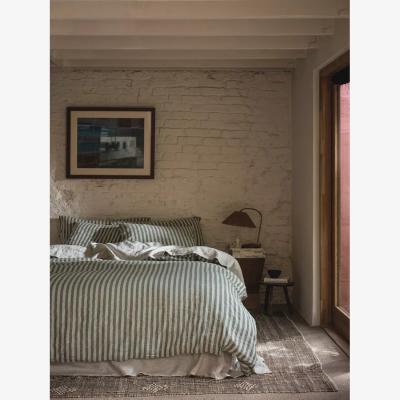
Material is where the real differences between bed sheets are felt. Cotton, including Egyptian cotton and percale weaves, is the most breathable and the most forgiving to wash, with thread counts in the 200 to 400 range generally feeling smoothest against the skin. Linen has grown in popularity for its temperature-regulating properties and the lived-in texture that only softens further over time. Bamboo offers similar breathability and is often cited as the more sustainable choice. For colder months, brushed cotton, flannel and fleece hold warmth without weight. At the practical end, waterproof sheets with a breathable membrane protect against spills and bedwetting, and are popular for children's rooms and for anyone protecting a new mattress.
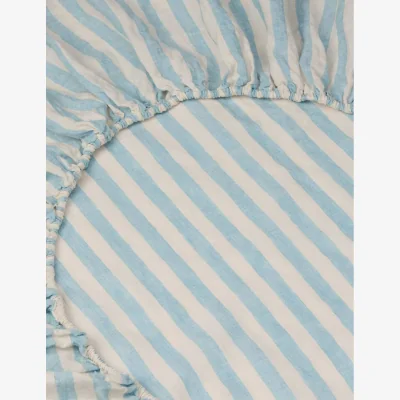
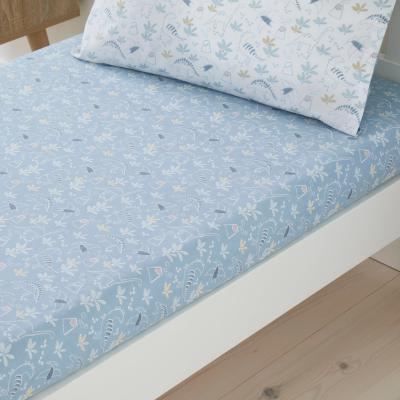
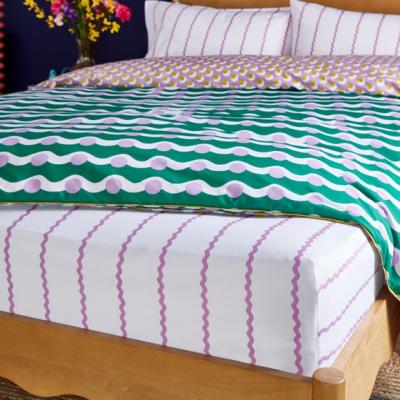
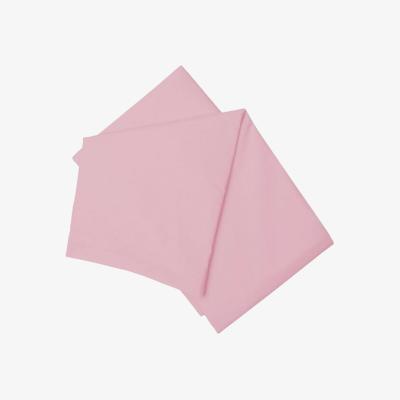
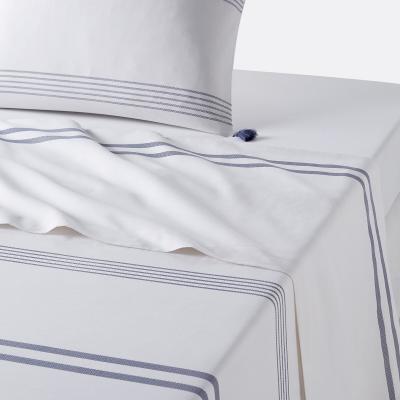
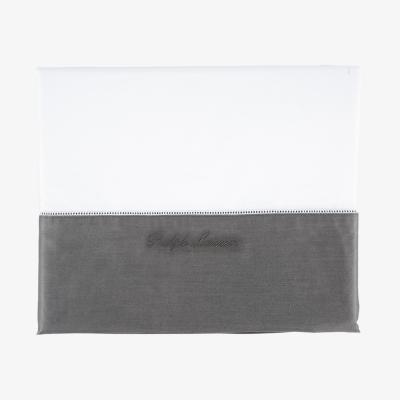
Colour and pattern let the sheet work within the wider bedroom scheme. White and cream remain the most popular for their clean, hotel-quality appearance, though grey, blue, black and pink have grown steadily. Sheets sit at the base of everything else: pair with matching duvet covers and pillowcases, a valance to finish the base, and a mattress protector underneath to extend the life of the mattress below.
Flitch brings together bed sheets from more than 100 UK retailers in one place, so you can compare materials, sizes and depths without visiting a dozen different shops. Filter by size, material, colour and price to narrow your search, use price history to see how individual bed sheets have tracked over time, and sign up for price drop alerts to catch a saving. Our expert stylists are on hand for anyone building a coordinated bedroom scheme from scratch.
How often should bed sheets be washed?
Once a week is the general guideline, or every two weeks at most. Wash more often if you sweat heavily, share the bed with pets or have been unwell. Most cotton and polycotton sheets wash well at 40 to 60 degrees; linen and bamboo prefer a cooler cycle.
What does deep or extra deep mean on a fitted sheet?
Deep fitted sheets suit mattresses thicker than around 25cm; extra deep versions stretch to 35cm or more. They are useful for pillow-top mattresses, memory foam beds and any setup where a topper has been added on top.
Are higher thread count sheets always better?
Not necessarily. Weave, fibre quality and finish often matter more than the number alone, and a well-made 300 thread count cotton sheet can outperform a 1,000 thread count blend in breathability and how it washes over time.
How do I stop a fitted sheet from coming off in the night?
Check the sheet matches both the size and the depth of your mattress. Fully elasticated edges hold better than corner-only elastic, and sheet straps that clip to each corner add extra grip on deeper mattresses.
Which sheet material is best for hot sleepers?
Cotton percale, linen and bamboo are the most breathable. Brushed cotton, flannel and fleece trap warmth and are better reserved for winter beds.
Browse By...
Retailer
Amara Bed SheetsAnd So To Bed Bed SheetsAnthropologie Bed SheetsArighi Bianchi Bed SheetsBarker and Stonehouse Bed SheetsBHS.com Bed SheetsCox and Cox Bed SheetsCuckooland Bed SheetsDowntown Bed SheetsDunelm Bed SheetsFeather & Black Bed SheetsFrench Bedroom Bed SheetsFurniture Village Bed SheetsHabitat Bed SheetsHeal's Bed SheetsHomebase Bed SheetsJohn Lewis Bed SheetsKave Home Bed SheetsLa Redoute Bed SheetsLayered Lounge Bed SheetsLoaf Bed SheetsMade in Design Bed SheetsMarks & Spencer Bed SheetsNkuku Bed SheetsNordic Nest Bed SheetsOKA Bed SheetsPerch and Parrow Bed SheetsRockett St George Bed SheetsSazy Bed SheetsSofa.com Bed SheetsSoho Home Bed SheetsThe Conran Shop Bed SheetsThe Range Bed SheetsThe Rug Seller Bed SheetsTobias Oliver Bed SheetsUrban Outfitters Bed SheetsWestwing Bed SheetsWolf & Badger Bed Sheets
Colour
Amara Bed SheetsHabitat Bed SheetsPerch and Parrow Bed SheetsAnd So To Bed Bed SheetsHeal's Bed SheetsRockett St George Bed SheetsAnthropologie Bed SheetsHomebase Bed SheetsSazy Bed SheetsArighi Bianchi Bed SheetsJohn Lewis Bed SheetsSofa.com Bed SheetsBarker and Stonehouse Bed SheetsKave Home Bed SheetsSoho Home Bed SheetsBHS.com Bed SheetsLa Redoute Bed SheetsThe Conran Shop Bed SheetsCox and Cox Bed SheetsLayered Lounge Bed SheetsThe Range Bed SheetsCuckooland Bed SheetsLoaf Bed SheetsThe Rug Seller Bed SheetsDowntown Bed SheetsMade in Design Bed SheetsTobias Oliver Bed SheetsDunelm Bed SheetsMarks & Spencer Bed SheetsUrban Outfitters Bed SheetsFeather & Black Bed SheetsNkuku Bed SheetsWestwing Bed SheetsFrench Bedroom Bed SheetsNordic Nest Bed SheetsWolf & Badger Bed SheetsFurniture Village Bed SheetsOKA Bed Sheets


Home essentials at unbeatable prices

Sponsored