Sideboard Dimensions: What Size Sideboard Do You Need? (UK Guide)
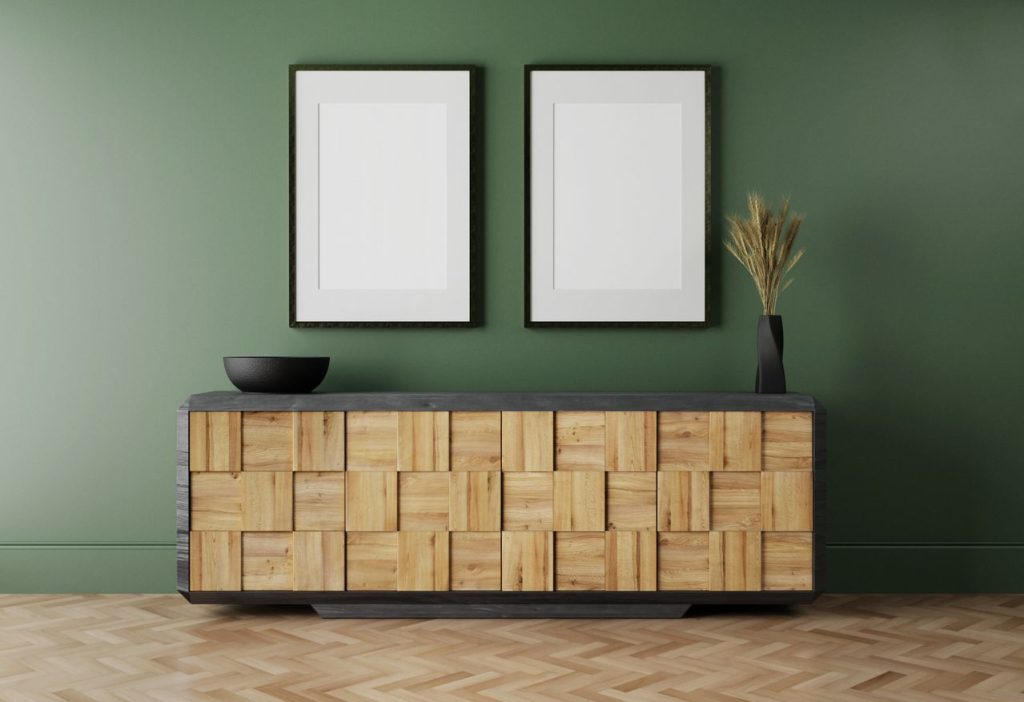
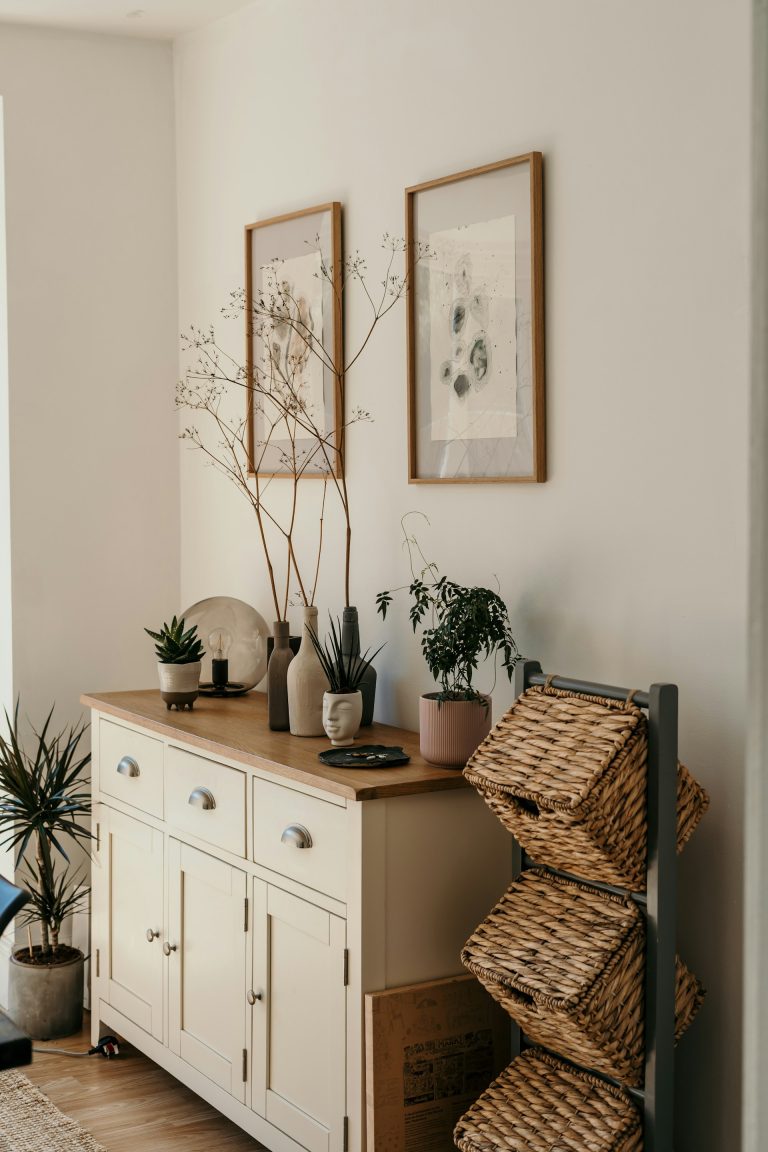
A sideboard is one of the hardest-working pieces in a British home. It stores the good plates, hides the board games, holds a lamp and a few framed photos, and in plenty of living rooms it doubles as the TV stand.
Yet size is where most sideboard purchases go wrong. Too deep and it eats into a narrow hallway. Too tall and it looms over the dining table. Too short and it looks lost on a long wall.
In this guide, we’ll cover the standard sideboard dimensions in the UK, how to choose the right height, depth and width for each room, and how to measure your space before you buy. And if you’re ready to start browsing, at Flitch we’ve brought sideboards from over 100 UK retailers into one place, so you can filter by size, style and price without trawling dozens of websites.
Standard Sideboard Dimensions in the UK
There’s no single official size, but most sideboards sold in the UK fall within these ranges:
| Sideboard type | Width | Height | Depth |
|---|---|---|---|
| Small / compact | 80-120cm (31-47in) | 75-85cm (30-33in) | 35-45cm (14-18in) |
| Medium / standard | 120-160cm (47-63in) | 75-90cm (30-35in) | 40-50cm (16-20in) |
| Large | 160-220cm (63-87in) | 75-90cm (30-35in) | 45-55cm (18-22in) |
| Low / media sideboard | 140-200cm (55-79in) | 50-65cm (20-26in) | 40-50cm (16-20in) |
| Slim hallway sideboard | 80-140cm (31-55in) | 75-100cm (30-39in) | 25-35cm (10-14in) |
| Highboard | 80-130cm (31-51in) | 100-140cm (39-55in) | 40-50cm (1620in) |
As a quick rule of thumb, a “typical” UK sideboard is about 150cm wide, 80cm high and 45cm deep. A two-door model usually lands around 100-120cm wide, and a three- or four-door model anywhere from 150cm upwards.
Always check a retailer’s listed dimensions rather than relying on the product name. One brand’s “small sideboard” can be another’s “medium”.
How High Should a Sideboard Be?
Most sideboards stand between 75cm and 90cm tall. That range isn’t arbitrary: it lines up with the other furniture a sideboard usually sits beside.
- In a dining room, aim for a sideboard the same height as your dining table or slightly taller. A standard UK dining table is around 75cm high (see our guide on how tall a dining table should be), so a sideboard of 75-90cm keeps a tidy horizontal line and works as a serving surface.
- In a living room, a height close to the back of your sofa looks most balanced. The average sofa is around 84cm high (more in our sofa dimensions guide), so 75-85cm is usually the sweet spot.
- As a TV unit, go lower. A sideboard of 50-65cm puts the centre of a typical 50-65in TV closer to seated eye level. A standard-height sideboard can work for smaller screens, but a large TV on an 85cm sideboard often feels too high. Our TV unit size guide has the measurements for every screen size.
If you plan to hang art or a mirror above, leave around 20-30cm between the top of the sideboard and the bottom of the frame so the two read as one arrangement.
How Deep Should a Sideboard Be?
Standard sideboard depth is 40-50cm. That’s enough for dinner plates, serving dishes and most glassware, and it gives a lamp a stable base on top.
Depth is the dimension that matters most in tight spaces, because every centimetre comes straight out of your walkway:
- 40-50cm suits most dining and living rooms.
- 45-55cm is worth it if you’ll store large platters, a full dinner service or AV equipment with cables at the back.
- 25-35cm is the right call for hallways and narrow rooms. You’ll lose space for big plates, but you’ll keep the room usable.
Check the internal depth too. Thick doors, back panels and handles can take 3-5cm off the usable space, which is the difference between a dinner plate fitting or not.
How Wide Should a Sideboard Be?
Width is where personal taste comes in, but a few proportions help:
- The two-thirds rule: a sideboard that fills roughly two-thirds of its wall looks deliberate. On a 3m wall, that’s about 200cm; on a 2m wall, around 130cm.
- Match your dining table: in a dining room, choose a sideboard a little shorter than your table, or close to its length. A 180cm table pairs well with a 140-180cm sideboard.
- Wider than your TV: if the sideboard holds a TV, aim for at least 15-20cm of clear surface either side. A 55in TV is about 123cm wide, so look for 160cm or more.
- Leave breathing room: keep at least 15-30cm between the sideboard and doors, windows, radiators or corners.
If you’re unsure, it’s usually better to go slightly wider and lower than taller and narrower. Long, low pieces make a room feel bigger.
What Size Sideboard Do You Need? Room by Room
Dining room
The classic home for a sideboard. Go for 75-90cm high and 40-50cm deep, with a width that relates to your dining table.
The key measurement is clearance. Leave at least 90cm between the sideboard and the back of the nearest dining chair when it’s pulled out, so people can still walk behind seated guests. In a smaller dining room, a 120-140cm sideboard with sliding doors avoids doors swinging into chairs.
Living room
A sideboard in the living room usually doubles as display space or a TV unit. Choose 75-85cm high for display, or a low 50-65cm media sideboard for a TV. Width depends on the wall, but 150-180cm is common in UK living rooms.
On a feature wall, a sideboard is also a chance to bring in colour or texture. A white or cream sideboard keeps a small room light, and a high gloss finish bounces light around even more. For warmth, look at walnut or dark wood sideboards, or ranges like Habitat and Oak&More. If you’re working with neutral walls, our guide to furniture colours that go with magnolia walls has more ideas.
Hallway
UK hallways are often under a metre wide, so depth is everything. Look for a slim sideboard of 25-35cm deep and keep at least 75-90cm of clear walkway beside it. A hallway sideboard gives you a drop zone for keys and post without turning the entrance into an obstacle course.
Bedroom
A sideboard can replace a chest of drawers or add storage for spare linens, a natural partner to the ideas in our bedding storage guide. A small sideboard of 80-120cm wide and 40-45cm deep fits most bedrooms without crowding the bed.
Sideboard vs Credenza vs Highboard vs Buffet
These names get used interchangeably, which makes searching harder. Here’s how they usually differ in the UK:
| Piece | Typical height | What sets it apart |
|---|---|---|
| Sideboard | 75-90cm | Long, waist-height storage with legs or a plinth; the all-rounder |
| Credenza | 70-80cm | Sleeker, often with sliding doors and no visible legs; common in mid-century and office styles |
| Buffet | 80-95cm | Traditionally a dining room serving piece; in the UK the term overlaps almost entirely with sideboard |
| Highboard | 100-140cm | Taller and narrower; more storage on a smaller footprint |
| Media unit | 40-60cm | Low and wide, with cable holes and open shelves for AV kit |
When you’re browsing, search all of these terms. A “credenza” from one brand may be exactly the sideboard you’re after. Many mid-century sideboards, like those at Loaf and Heal’s, blur the line between the two, as do the slim, leggy Scandi sideboards that have become a favourite in UK living rooms.
How to Measure for a Sideboard in Four Steps
- Measure the wall. Note the full width, then subtract space for door frames, radiators, sockets and light switches you’ll still need to reach. Aim to use around two-thirds of what’s left.
- Measure the floor space in front. Measure from the wall to the nearest piece of furniture. Subtract your sideboard’s depth, and make sure at least 75-90cm of walkway remains.
- Allow for doors and drawers. Hinged doors need clearance roughly equal to their own width (often 40-60cm), and drawers typically pull out 30-45cm. If that space isn’t free, choose sliding doors.
- Measure the route in. Check the width of your front door, hallway turns, stairs and any lift. Large sideboards often arrive fully assembled, and getting it through the door is a classic last-minute problem.
Tip: mark the sideboard’s footprint on the floor with masking tape and live with it for a day. It’s the easiest way to check the size feels right.
Sideboard Size FAQs
What is the standard height of a sideboard in the UK?
Most UK sideboards are 75-90cm high. Low media sideboards sit at 50-65cm, and highboards reach 100-140cm.
How deep is a standard sideboard?
A standard sideboard is 40-50cm deep. Slim hallway sideboards can be as shallow as 25-35cm.
What size sideboard do I need for a 180cm dining table?
A sideboard of roughly 140-180cm wide will look balanced next to a 180cm table. Avoid going much longer than the table itself.
Can I use a sideboard as a TV unit?
Yes. Choose one that leaves at least 15-20cm of clear surface either side of your TV and, ideally, is 50-65cm high so the screen sits near seated eye level. Check it has a cable hole or an open back.
Should a sideboard be taller than the dining table?
It should be the same height or slightly taller. With UK dining tables at around 75cm, a sideboard of 75-90cm works well.
What’s the smallest sideboard I can buy?
Compact sideboards start at around 60-80cm wide. Below that, you’re usually looking at a cabinet or chest of drawers.
Find the Right Size Sideboard for Your Home
The right sideboard comes down to three numbers: a height that lines up with the furniture around it (usually 75-90cm), a depth that leaves room to move (40-50cm, or 25-35cm in a hallway), and a width that suits the wall (roughly two-thirds of it).
Once you know your measurements, the hard part is finding a piece that fits and matches your style. You can browse every sideboard on Flitch and filter by size, colour and material, from large statement pieces and on-trend fluted designs to warm oak and neutral beige finishes. Once you’ve found the one, our guide to styling a sideboard shows you how to dress it.
Or skip the scrolling altogether. Send your measurements and a few photos of your room to a Flitch stylist, and we’ll come back with a handpicked shortlist of sideboards from over 100 UK retailers that fit your space, your taste and your budget.
Ready to shop?
Compare prices and styles from over 100 UK retailers in one place.