Home > Decor & Accessories > Vases
Vases
The hardest thing about choosing a vase is that you are really choosing two objects at once. The first is the one you see when there are flowers in it, where the shape and neck matter more than the surface. The second is the one you see for most of the year, when the surface, colour and weight have to carry the shelf on their own. A good vase makes both decisions at the same time.
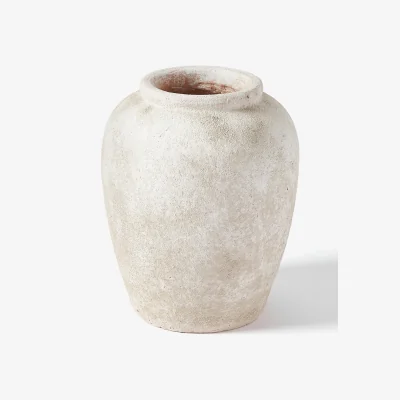
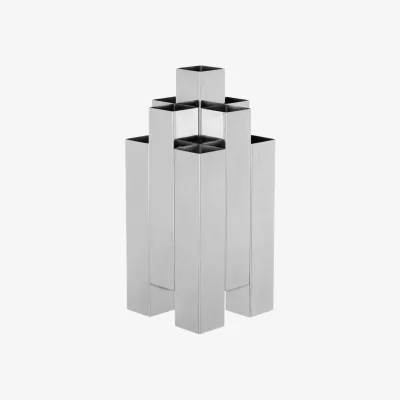
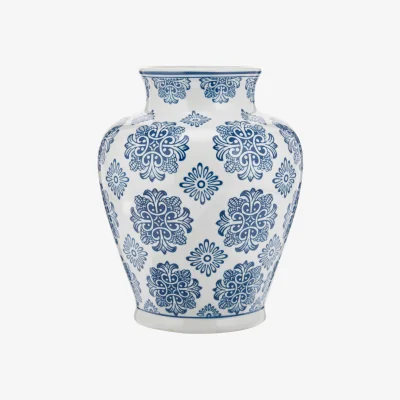
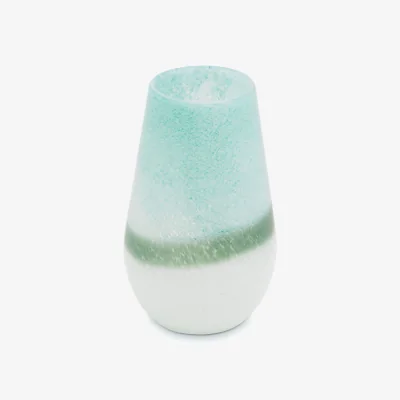
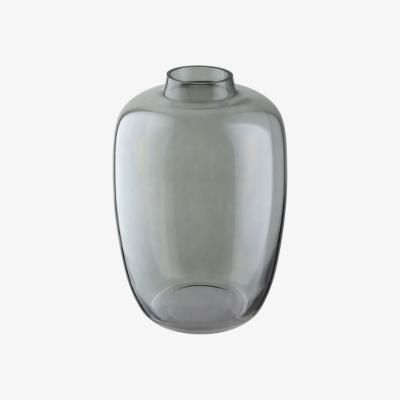
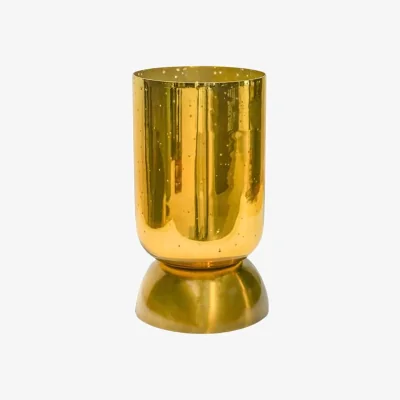
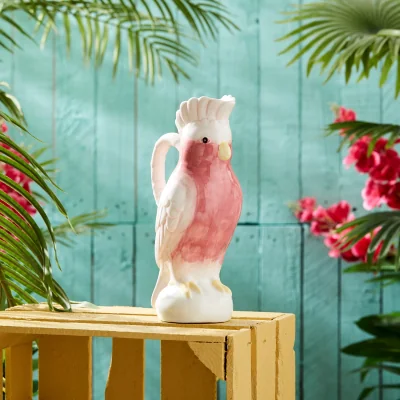
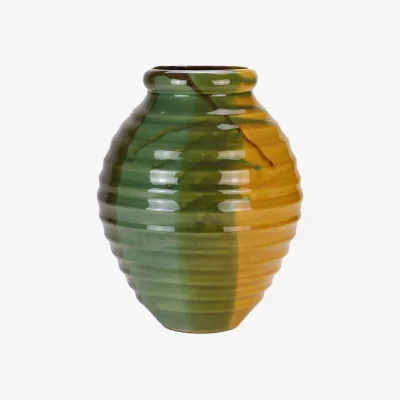
Glass is the most versatile material in the category, working with almost any stem and almost any interior - the vessel disappears and lets the flowers lead. Ceramic vases reverse that logic: the glaze, colour and surface of the pot are as much the point as anything in it, which is why ceramic designs span such a wide range, from hand-thrown studio pottery to sleek matte-finish contemporary pieces. Marble vases lean heavily into occasion and formality, adding a polished weight that suits more considered rooms, while metal designs in brass, copper and gold feel warmer and catch the light in a pleasing way. Concrete and stone sit at the contemporary end, with dense, minimal geometry that suits a pared-back room. For anyone matching a vase to a specific scheme, plain bisque (unglazed ceramic) and unfinished pieces can be painted to order.
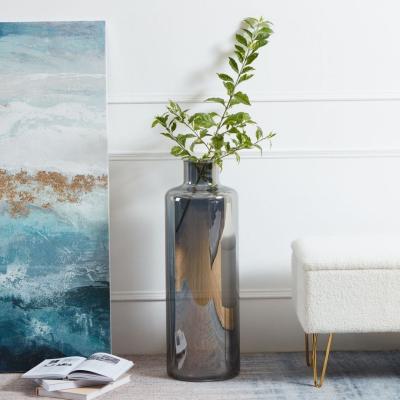
Bud vases are slim and narrow, designed for one or two single stems, and look best grouped in clusters of three or five so that the arrangement becomes the display rather than any individual piece. Cylinder and column vases suit longer-stemmed flowers like roses, tulips and lilies, with a narrow opening holding the bunch upright without letting it splay. Bulbous and hurricane shapes (hurricane vases being the tall, broad-bodied designs originally made to shield a candle flame) accommodate fuller, rounder arrangements or flowers such as peonies or hydrangeas that need more room. Floor vases of 60cm or more operate on a different scale altogether, holding tall branches, pampas grass or oversized faux stems and functioning as much as a piece of furniture as a decorative accessory.
If opting for a coloured, non-transparent vase, white and cream remain popular options for their flexibility. However bolder shades in blue, green, pink, teal and red, or the warmth of black, gold and silver, are the more interesting choice where the vase is meant to be seen. Personalised and engraved designs make popular wedding and anniversary gifts.
With Flitch, exploring the world of vases is a breeze. As well as browsing vases from over 100 UK retailers in one place, Flitch offers price drop alerts, a style quiz to help you discover the ideal vase that resonates with your personal taste, and the guidance of a personal stylist who can assist you in finding the perfect piece to complement your home.
How do I choose the right size vase for my flowers?
The vase should be roughly half the height of the stems above the rim, with a neck wide enough to hold the bunch without crushing it. Bud vases suit single stems, mid-size vases of 20 to 30cm handle most supermarket bouquets, and taller designs work with branches and large arrangements.
What is the best vase for tulips?
Tulips continue to grow and bend after cutting, so a tall cylinder vase that supports the stems works best. A narrow opening keeps the bunch upright, while heavier-bottomed designs prevent tipping as the stems lengthen.
Can vases be used for artificial flowers?
Yes. Artificial flower arrangements often look better in opaque vases such as ceramic, marble or concrete, where the stems and any floral foam are not visible. Glass vases work for high-quality faux stems with realistic green or wood-coloured stems.
How do I clean a glass vase?
Fill with warm soapy water and a tablespoon of rice or bicarbonate of soda, then swirl to scrub the inside. For limescale and water marks, soak overnight with white vinegar or denture cleaning tablets, then rinse thoroughly.
What is the difference between a vase and an urn?
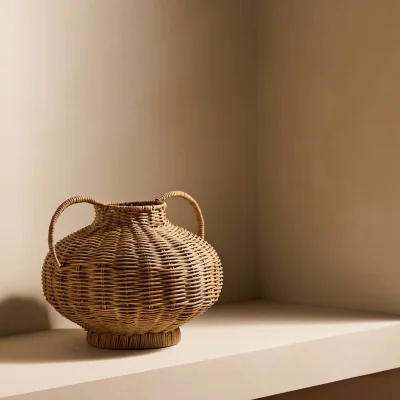
A vase is typically taller than it is wide, with a narrow neck designed to support cut flowers. An urn has a wider, more bulbous body, often with handles and a footed base, and is traditionally decorative rather than functional.
Are floor vases hard to style?
Floor vases work best with tall, sculptural contents such as branches, pampas grass, faux palm leaves or oversized dried stems rather than short flowers, which look dwarfed. Empty floor vases also stand alone as decor in entrance halls, beside fireplaces or in empty corners.
Browse By...
Retailer
Amara VasesAnthropologie VasesArighi Bianchi VasesBarker and Stonehouse VasesBHS.com VasesCasa by JJ VasesCox and Cox VasesCuckooland VasesCult Furniture VasesDibor VasesDowntown VasesDunelm VasesFurniture Village VasesFurniture123 VasesGardenesque VasesGraham & Green VasesHabitat VasesHeal's VasesHomebase VasesIO Living VasesJohn Lewis VasesKave Home VasesLa Redoute VasesLayered Lounge VasesMade in Design VasesMarks & Spencer VasesMy Furniture VasesNkuku VasesNordic Nest VasesOKA VasesOliver Bonas VasesOlivia's VasesPagazzi VasesPerch and Parrow VasesQuatropi VasesRockett St George VasesRose & Grey VasesSazy VasesSofa.com VasesSoho Home VasesTeddy Beau VasesThe Conran Shop VasesThe Range VasesTobias Oliver VasesTom Dixon VasesUrban Outfitters VasesWestwing VasesWolf & Badger VasesWoods Furniture Vases
Colour
Material
Sale
Other
Amara VasesHeal's VasesQuatropi VasesAnthropologie VasesHomebase VasesRockett St George VasesArighi Bianchi VasesIO Living VasesRose & Grey VasesBarker and Stonehouse VasesJohn Lewis VasesSazy VasesBHS.com VasesKave Home VasesSofa.com VasesCasa by JJ VasesLa Redoute VasesSoho Home VasesCox and Cox VasesLayered Lounge VasesTeddy Beau VasesCuckooland VasesMade in Design VasesThe Conran Shop VasesCult Furniture VasesMarks & Spencer VasesThe Range VasesDibor VasesMy Furniture VasesTobias Oliver VasesDowntown VasesNkuku VasesTom Dixon VasesDunelm VasesNordic Nest VasesUrban Outfitters VasesFurniture Village VasesOKA VasesWestwing VasesFurniture123 VasesOliver Bonas VasesWolf & Badger VasesGardenesque VasesOlivia's VasesWoods Furniture VasesGraham & Green VasesPagazzi VasesHabitat VasesPerch and Parrow Vases
Beige VasesGrey VasesTeal VasesBlack VasesOrange VasesWhite VasesBlue VasesPink VasesYellow VasesBrown VasesPurple VasesGreen VasesRed Vases
Home essentials at unbeatable prices

Sponsored
Ceramic