Made in Design
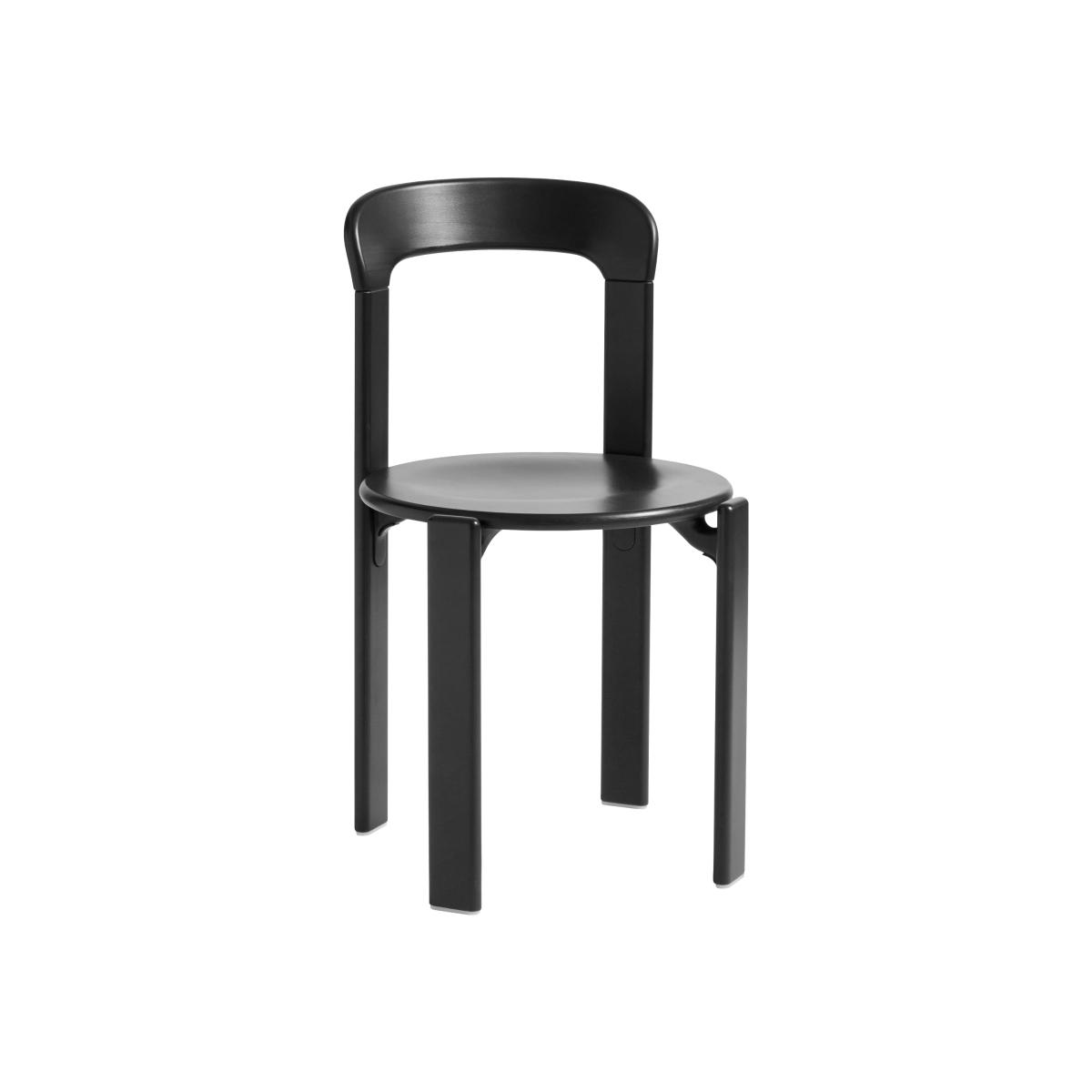
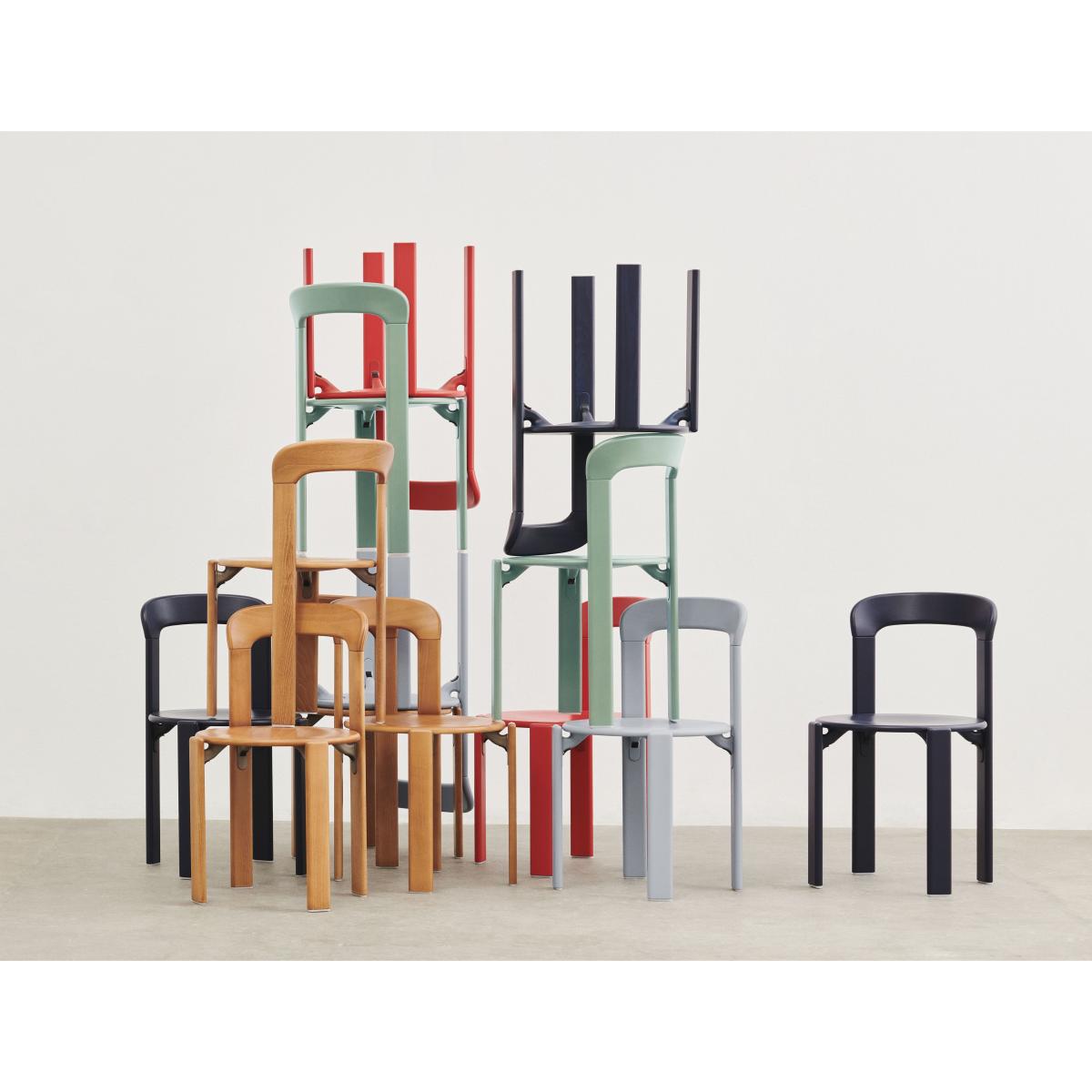
Rey Stacking chair - / By Bruno Rey x Dietiker, 1971 - Wood by Hay Black
£589 £436
+ additional colours and finishes available at Made in Design
Price History
Description
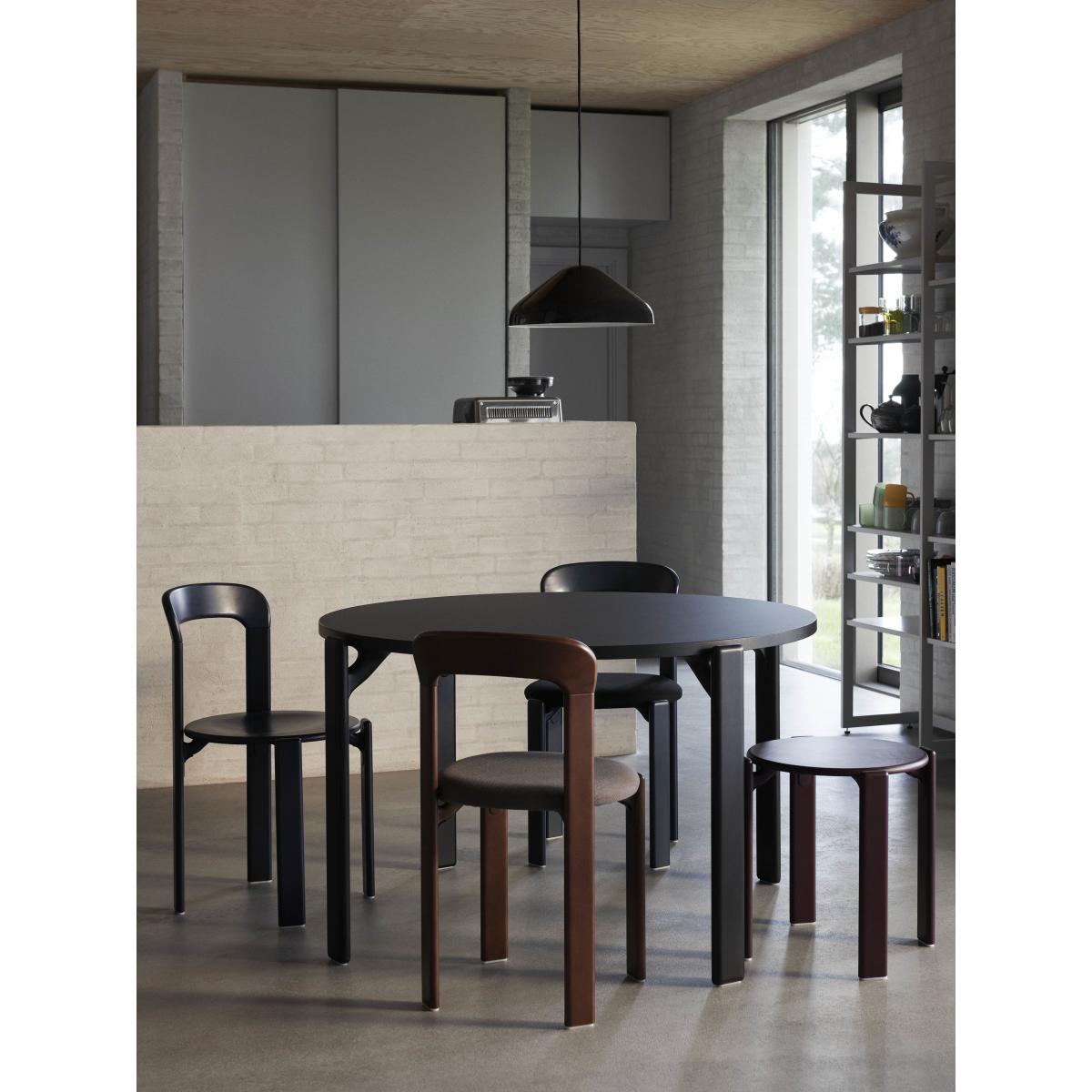
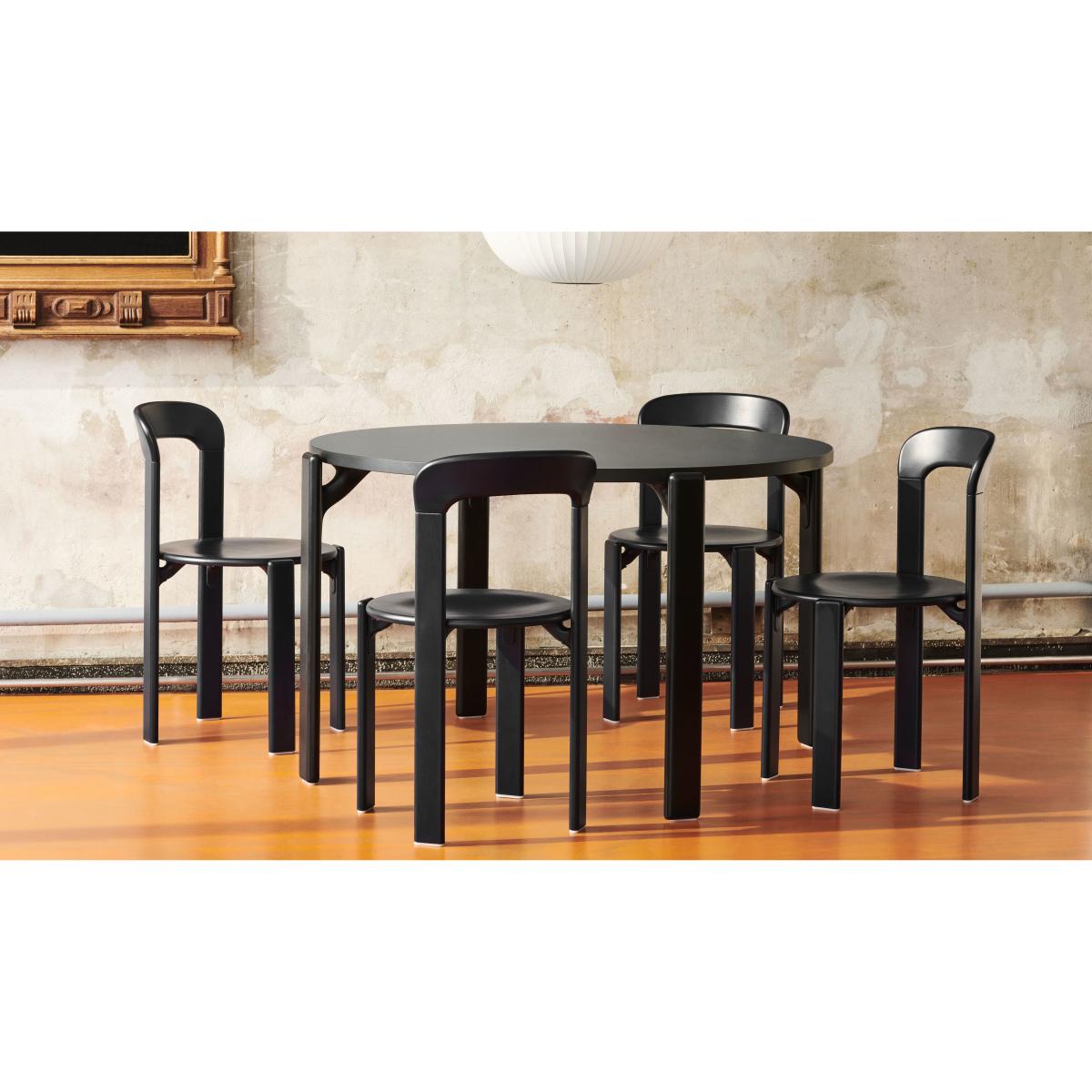
Danish brand Hay has teamed up with the famous Swiss furniture manufacturer Dietiker to pay tribute to Swiss designer Bruno Rey (1935-2019). For the occasion, the iconic “Rey” collection designed by Bruno Rey in 1971 is taking on new dimensions and a new colour palette specially selected by Hay. The first patented chair with a screwless wood-metal connection, the Rey chair has been named "the most successful piece of Swiss furniture ever" by the Swiss Museum of Design in Zurich. Sold in over a million copies, it’s a timeless work of art. Composed of a chair, stools and tables, the Rey collection retains the iconic unified silhouette and innovative screwless production process, but is updated with new dimensions and colours. As solid as the legendary original Rey, an icon of the Dietiker production house, the collection has lost none of its charm: as robust as ever with its characteristic rounded edges. Extraordinarily strong, stable and stackable, these sleek yet distinctly designed pieces fit a wide variety of domestic and public spaces. Bruno Rey (1935-2019) is a Swiss industrial designer who served his apprenticeship in cabinetmaking before attending the School of Applied Arts in Zurich. He is world famous for his Rey chair (or “model 3300”), an icon of Swiss design since 1971. The Rey chair has become one of the most popular chairs in Switzerland: over five decades, it has been sold over 1. 5 million times and can be found in many residential and public spaces. In the early 70s, Bruno Rey was looking for the design of a contemporary wooden chair as a symbol of the present. He finally found his inspiration in Thonet's chair from 1850. Bruno Rey developed entirely innovative assembly and design techniques for a new type of wooden chair. The Rey chair was the first to receive a patent for its unique screwless wood-metal connection. The legs of the chair are connected to the round seat by means of aluminium connecting pieces. The Rey chair, also called the model 3300, went into production in 1971. Over time, the collection has expanded with stools and tables. The curved lines of the Rey collection exemplify Rey's search for organic forms in contrast to the stubborn formalism of the 1960s and 1970s. The use of the curve was a personal revolution against the dominant design doctrine of his time, an attempt to stand out from an existing generation of designers. Bruno Rey: ''In light of the angulo-formalist furniture, cubically austere and without any seating quality, which was common at the time, I suspected for the first time that new forms of round furniture could be both necessary and useful for space and people. ''.
Our Stylist Says
The Rey stacking chair is a brilliant choice for adding a timeless, functional element to both contemporary and more traditional interiors. I love its clean, pared-back silhouette and the blend of wood and Danish design principles, which make it versatile and enduring. It works particularly well in minimalist or Scandi-inspired spaces, where its understated elegance can shine, but it also pairs nicely with retro or industrial themes. Practical styling tips include layering with colourful seat pads or stacking multiple chairs for a casual, eclectic look-perfect for flexible dining areas or creative workspaces. Its durable design also makes it suitable for high-traffic environments, combining practicality with character.
Clara Reynolds
Flitch Interior Stylist
Dimensions
Dimensions can be found on Made in Design's website here
About Made in Design
Origin and Vision of Made In Design
In 1999, Catherine Colin had a big idea she wanted everyone to enjoy and afford great design.
Determined to disrupt the status quo, Catherine ventured into online sales, ensuring design wasn't reserved for the elite. Today, this decision has positioned Made In Design as an international touchstone for online design, standing tall for over two decades.
A Haven for Design Enthusiasts
This platform is not just an online store but a comprehensive design universe. With an impressive catalogue that boasts 30,000 products from 400 brands and collaboration with 2000 designers, it's no wonder over a million design aficionados flock to Made In Design monthly.
Whether you're seeking the latest design news, trends, or new product launches, this brand curates up to 1,000 new items each month. Their commitment extends to offering expert advice and support for both personal and professional design projects.
Community and Growth
Central to Made In Design's ethos is the value of sharing and community. Their dedicated team is always ready to provide planning advice, spotlight emerging talent, and share insights from global design fairs.
As they celebrated their 20th anniversary, Made In Design embarked on an exciting new chapter by aligning with Printemps, enhancing their commitment to bring the best in design and support up-and-coming designers, both online and offline.
Delivery and Returns
Should you wish to return this item you will have 14 days from the date of delivery to do so. To start the returns process, please email [email protected]. Note that the return delivery costs will be at your own expense.
You can find our full delivery and returns policies here.