John Lewis
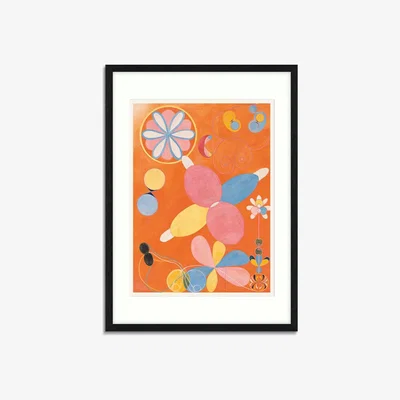
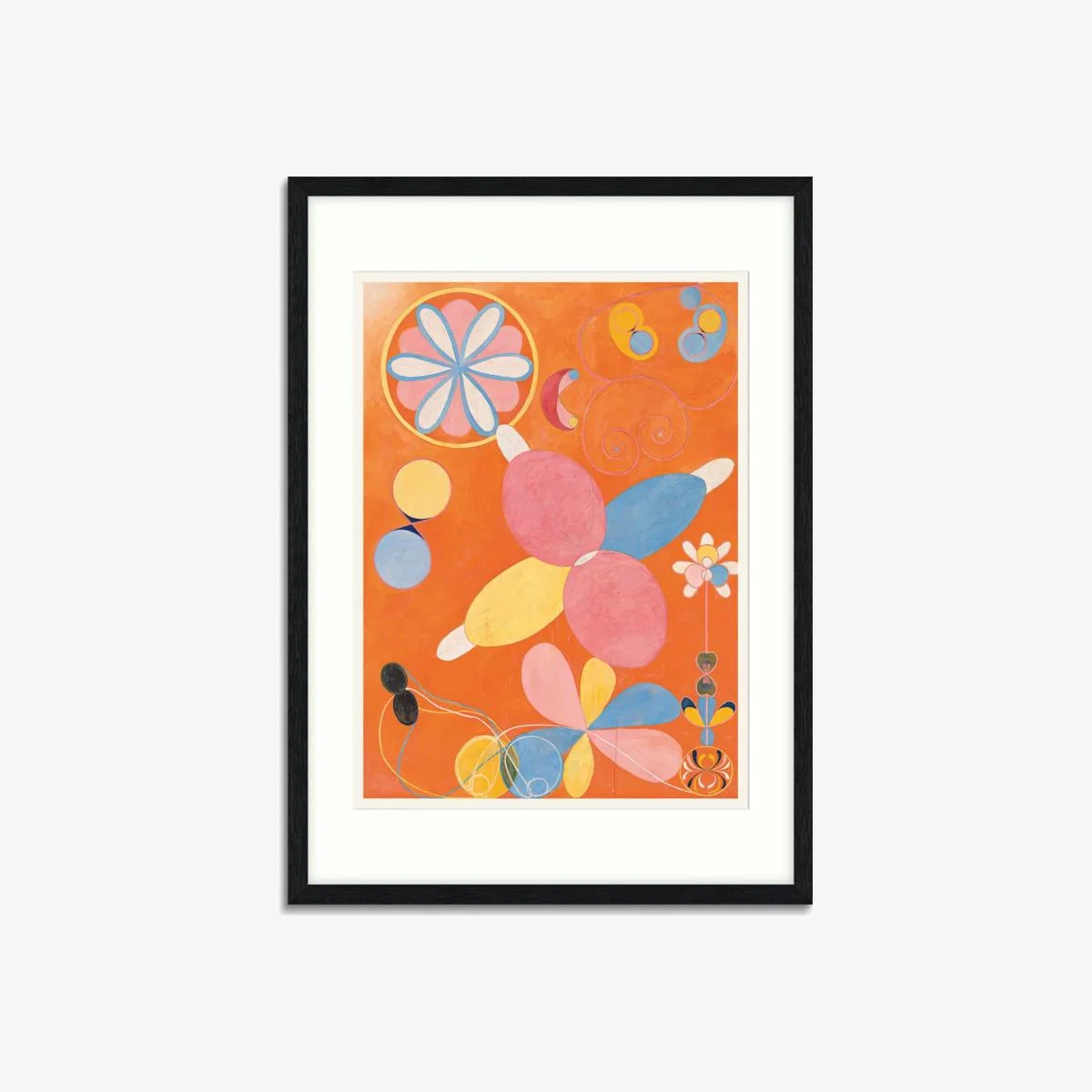
John Lewis + Tate Hilma Af Klint 'The Ten Largest, No.3 Youth 1907' Wood Framed Print, 73 x 53cm
Out of Stock
Price History
Description
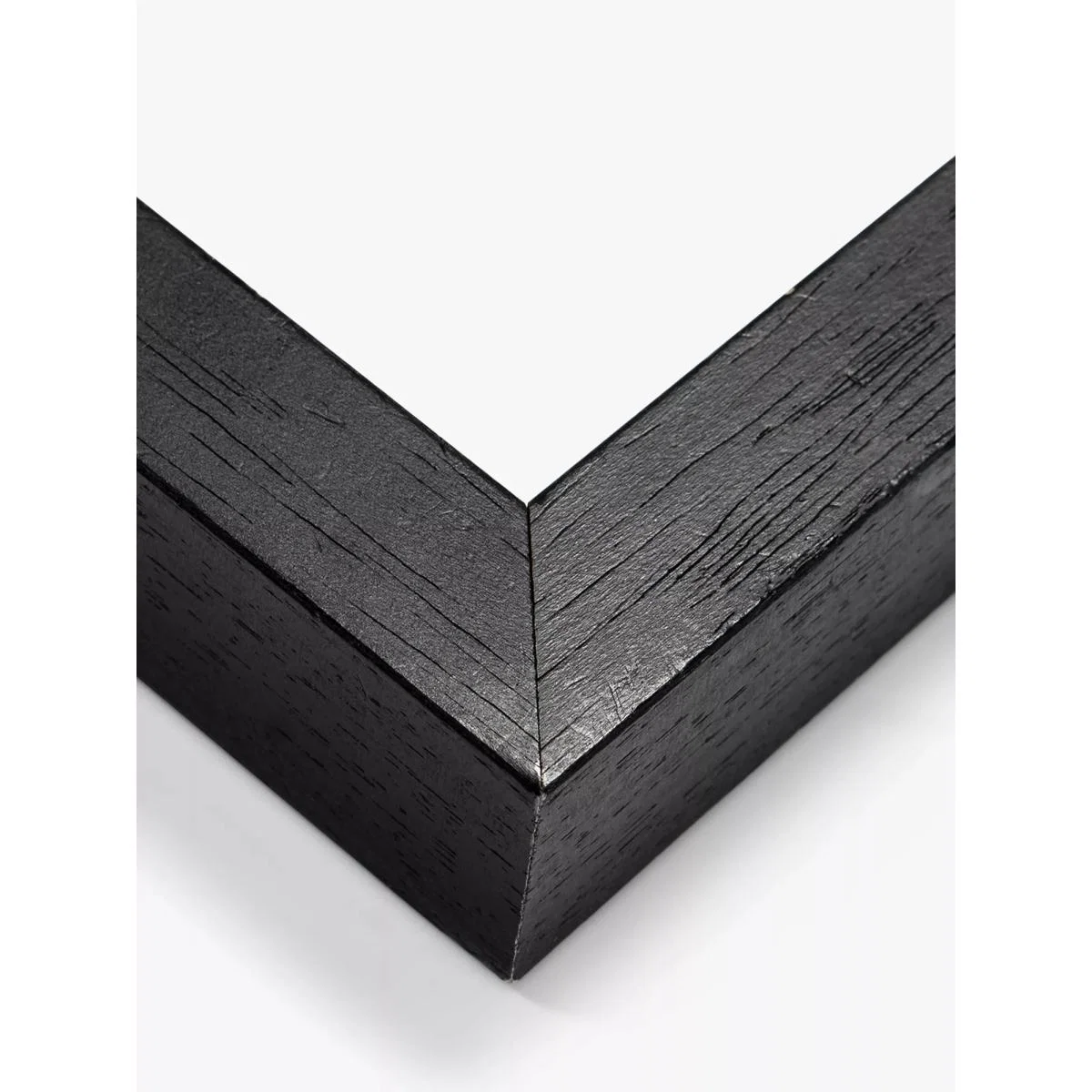
'The Ten Largest, No.3 Youth 1907' by Hilma Af Klint, from the Tate collection. In the 'Ten Largest' series, Klint celebrates the four ages of humanity: Childhood, Youth, Adulthood and Old Age. The black frame is made in the UK of FSC-certified solid ayous wood, sourced from sustainably managed forests. Framed with a card mount and glass front, it arrives ready to hang on your wall. Hilma af Klint (1862–1944) was an admiral's daughter, born in Sweden, a country that permitted women to study art well before France, Germany or Italy. As a result, she was able to enrol at the Royal Academy of Fine Arts in Stockholm in 1882. After graduating, she gradually gained recognition as a landscape and portrait painter. She also had a passion for the study of plants and animals. Klint was born into a protestant family and came into early contact with theosophy, the first religious organisation in Europe that did not discriminate against women. Like Wassily Kandinsky, Klint was probably familiar with the attempts of theosophical authors Annie Besant and Charles Leadbeater to translate music into visual forms. One of the most successful theosophical texts was published in 1904/1905. It had been written by Rudolf Steiner, whom Kandinsky and Klint met, independently of one another, in 1908. Its title was: How to Know Higher Worlds. Klint and Kandinsky painted the answer: through art. Kandinsky is generally regarded as the pioneer of abstract art. However, Klint might well claim that title. Have you thought about wall hooks and fittings?
Our Stylist Says
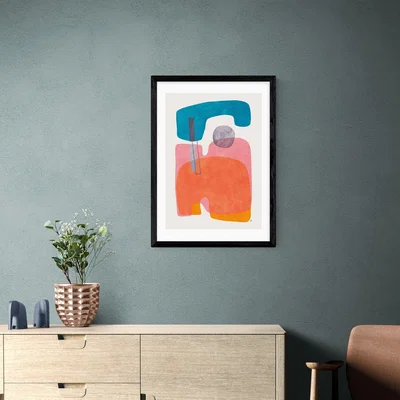
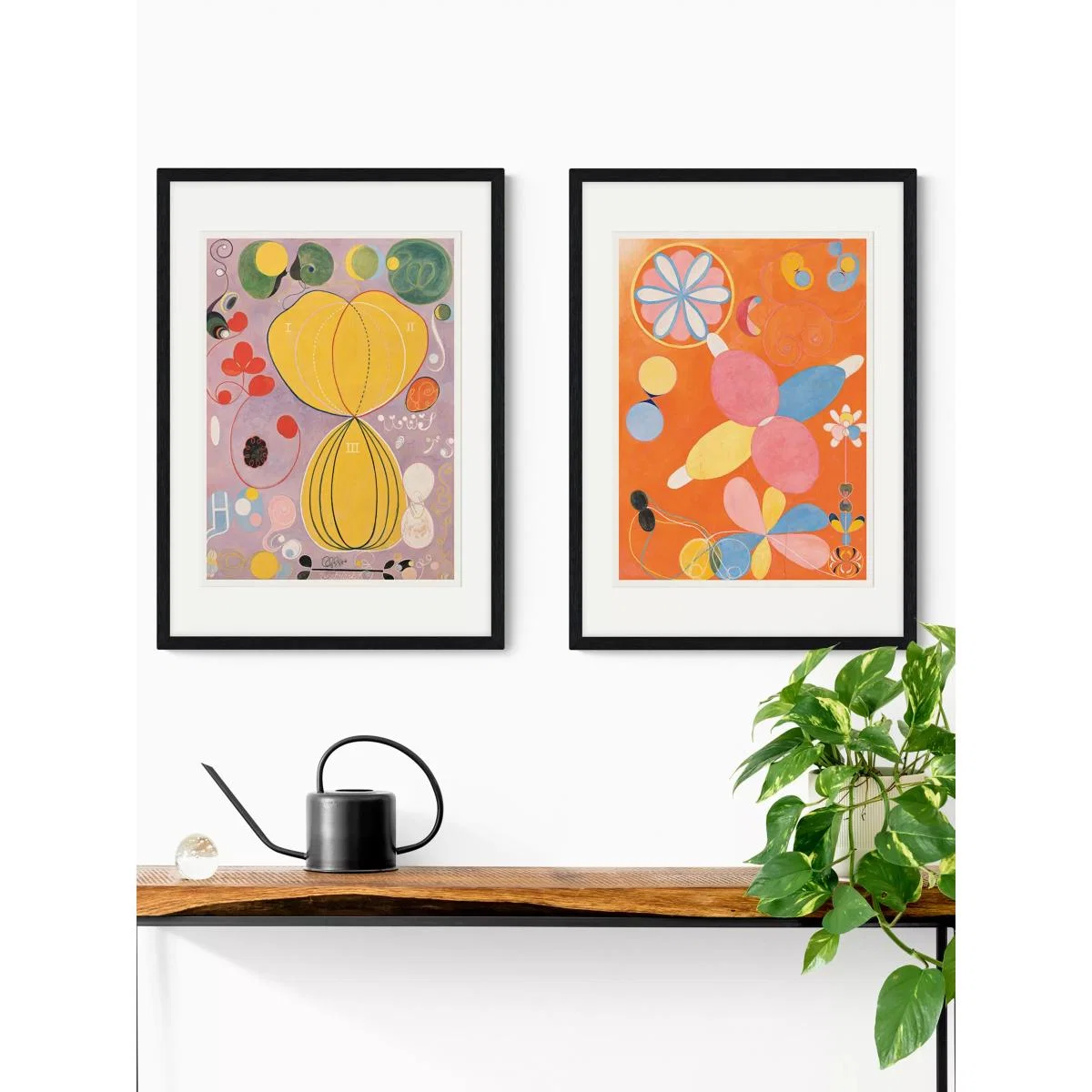
I love this piece for its vibrant colours and playful, abstract style, which can add a lively touch to various interiors. It works especially well in contemporary or mid-century spaces, where it can serve as a focal point or conversation piece. For the best styling impact, consider pairing it with streamlined furniture and minimal accessories to let the artwork stand out. Its size, 73 by 53cm, makes it versatile for both larger walls and smaller spaces like a hallway or above a console table. To create a cohesive look, try combining it with other colourful or patterned accents, but keep the framing simple - the wood frame on this print adds a subtle warmth that complements both modern and eclectic interiors.
Anaya Kapoor
Flitch Interior Stylist
Dimensions
Dimensions can be found on John Lewis's website here
About John Lewis
A Legacy of Innovation and Inclusion
John Lewis started as a small shop on London's Oxford Street in 1864. Today, it's part of a bigger family called the John Lewis Partnership, which also includes Waitrose stores.
What makes them special is that they're owned by their employees, known as 'Partners'. The idea, from the beginning, was to give everyone a say in how the business was run. With over 74,000 Partners (employees) at the heart of its operations, the essence of John Lewis's vision, from over a century ago, still echoes today being the largest employee-owned venture.
Adapting to Changing Times
Like many stores, John Lewis has had to change with the times. They've closed some shops but have grown their online business a lot, especially when more people started shopping online during the COVID-19 pandemic.
Their history is filled with key moments, like buying Peter Jones in 1905, adding Waitrose in 1937, and starting their website in 2001. They've always tried to adapt and stay relevant.
Commitment to a Greater Purpose
John Lewis believes in doing good and making the world a better place. This is seen in the way they treat their employees and customers. For example, in 2021, they were the first big UK store to give parents six months paid leave when they have a baby and two weeks paid leave if they lose a pregnancy. They've been around for over a century and always aim to do the right thing by everyone.