

John Lewis
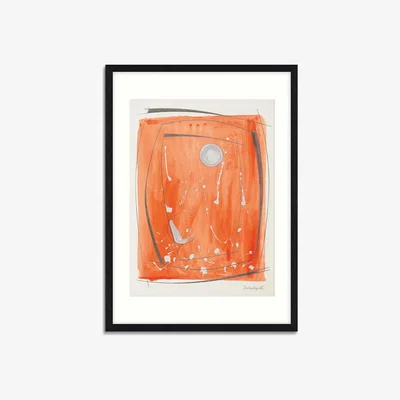
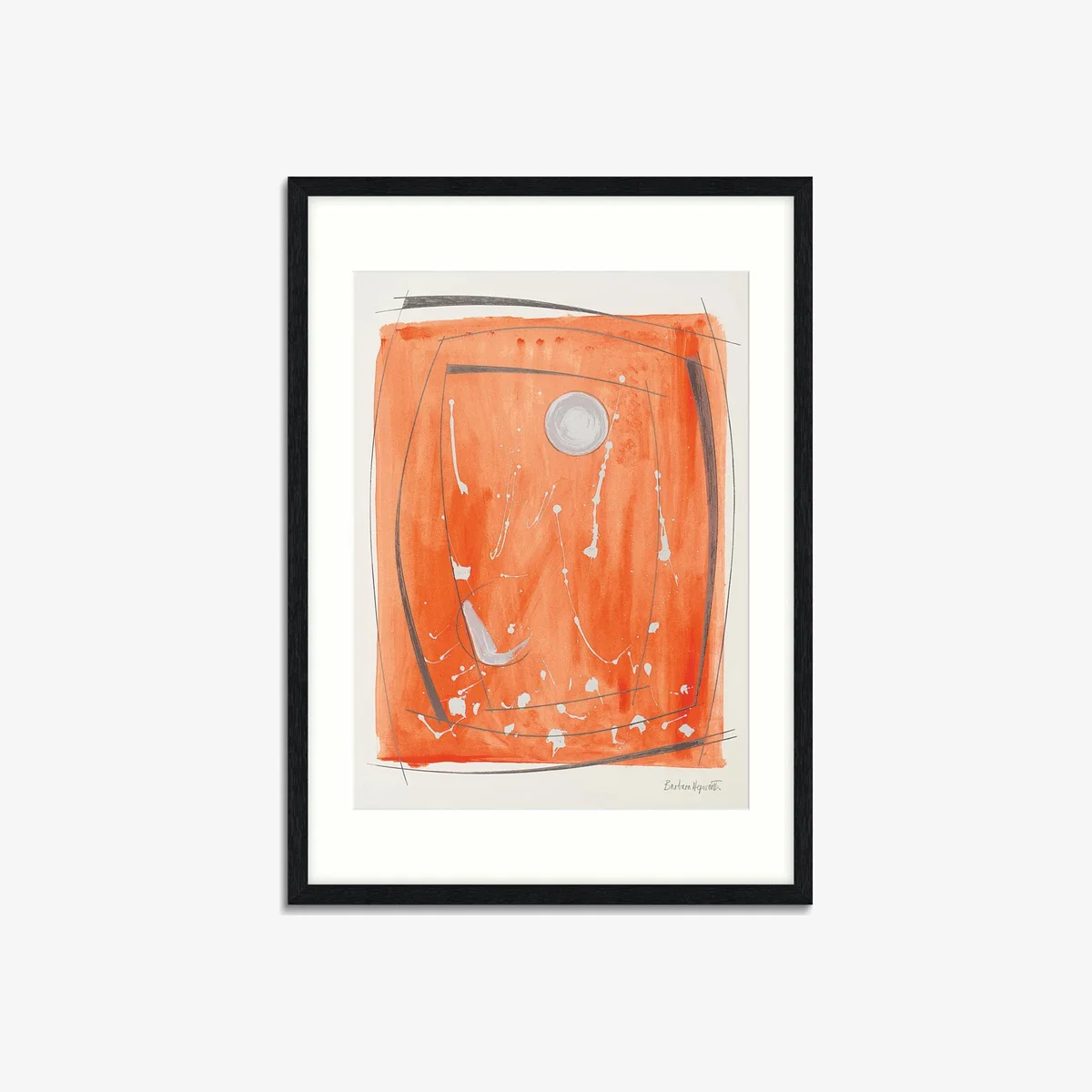
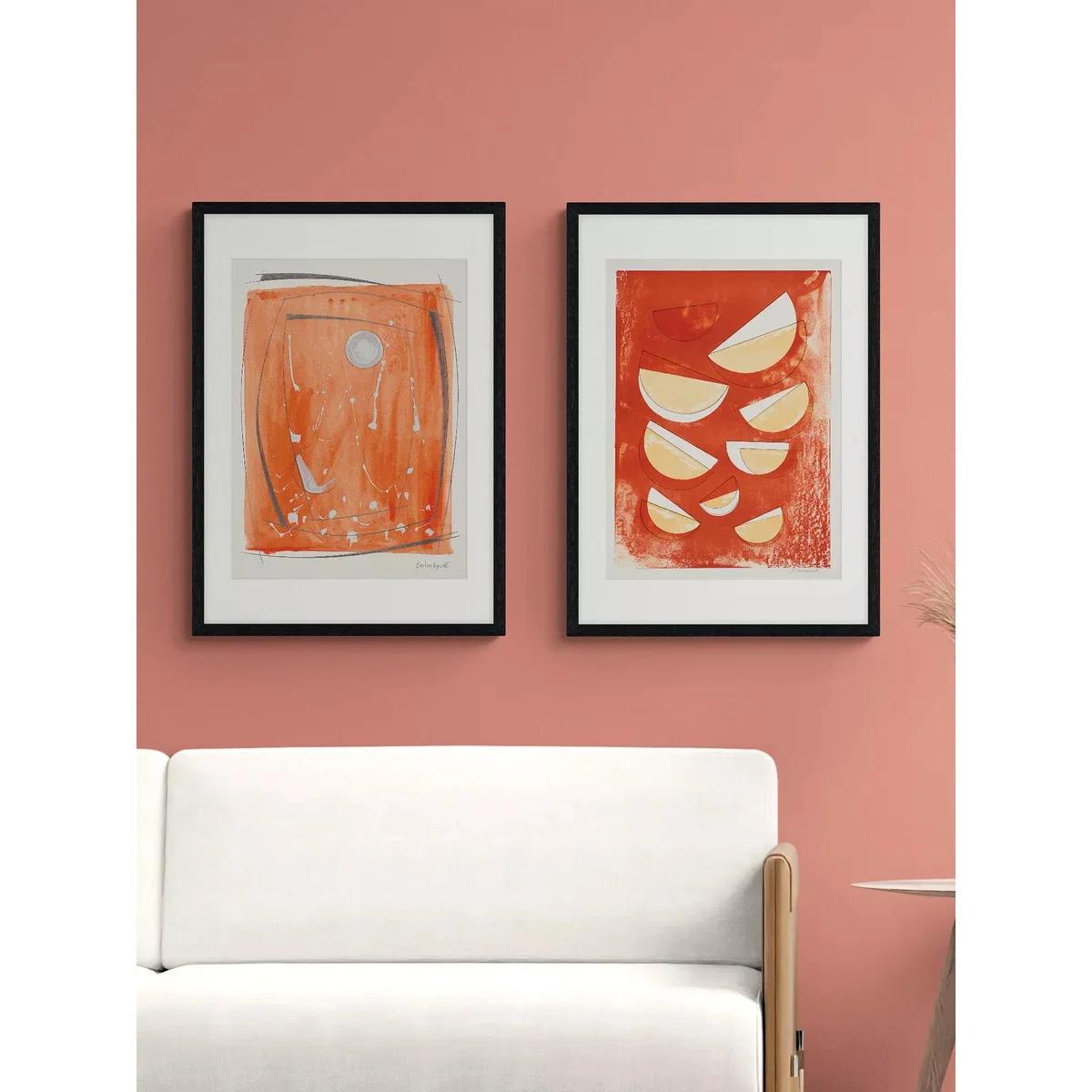
John Lewis + Tate Dame Barbara Hepworth 'Rangatira I - Opposing Forms' Wood Framed Print & Mount, 73 x 53cm
Out of Stock
Price History
Description
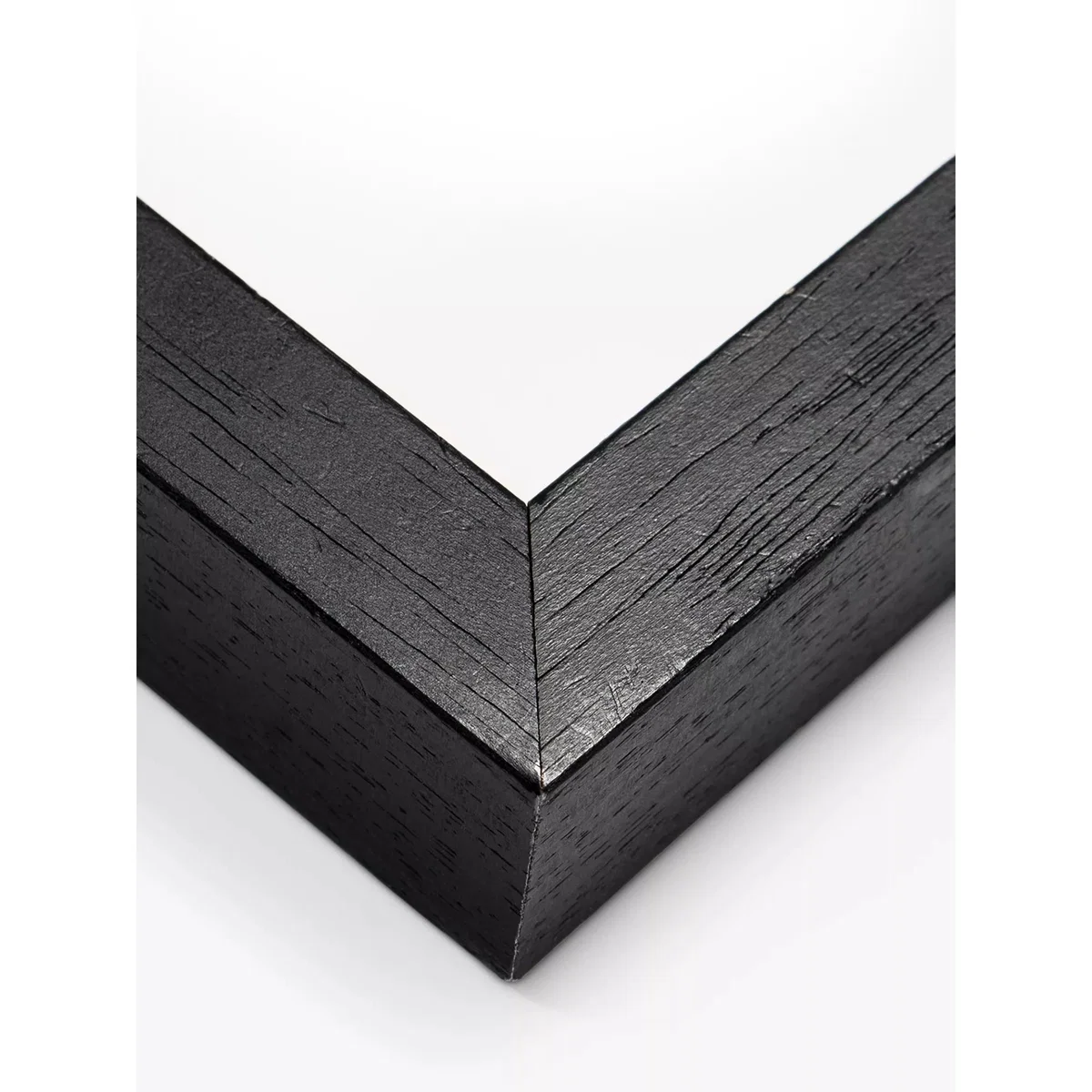
A framed reproduction print of 'Rangatira I', 1970, from the 'Opposing Forms' series by Dame Barbara Hepworth, from the Tate collection. Made in the UK exclusively for John Lewis. The black frame is made of FSC-certified solid ayous wood, sourced from sustainably managed forests. Framed with a card mount and glass front, it arrives ready to hang on your wall. One of the leading sculptors of the twentieth century, Barbara Hepworth (1903–1975) trained at Leeds School of Art (where she met and became friends with Henry Moore) and at the Royal College of Art. She became a leading figure in the 'new movement' associated with direct carving. She described her exquisite drawings as 'sculptures born in the disguise of two dimensions'. Have you thought about wall hooks and fittings?
Our Stylist Says
I love how this print adds a touch of modern sophistication with its abstract forms and subtle colour palette. It's ideal for contemporary or minimal interiors, working well above a sofa or in a paired gallery wall to create visual interest without overwhelming the space. Practical styling tips include pairing it with simple, unpatterned furnishings to let the artwork stand out, and opting for neutral or monochrome surroundings to enhance its vibrant orange accents. The black frame provides a clean, timeless finish that suits both understated and more eclectic schemes, making it a versatile piece for various rooms like living areas, home offices, or even bedrooms.
Sienna Brooks
Flitch Interior Stylist
Dimensions
Dimensions can be found on John Lewis's website here
About John Lewis
A Legacy of Innovation and Inclusion
John Lewis started as a small shop on London's Oxford Street in 1864. Today, it's part of a bigger family called the John Lewis Partnership, which also includes Waitrose stores.
What makes them special is that they're owned by their employees, known as 'Partners'. The idea, from the beginning, was to give everyone a say in how the business was run. With over 74,000 Partners (employees) at the heart of its operations, the essence of John Lewis's vision, from over a century ago, still echoes today being the largest employee-owned venture.
Adapting to Changing Times
Like many stores, John Lewis has had to change with the times. They've closed some shops but have grown their online business a lot, especially when more people started shopping online during the COVID-19 pandemic.
Their history is filled with key moments, like buying Peter Jones in 1905, adding Waitrose in 1937, and starting their website in 2001. They've always tried to adapt and stay relevant.
Commitment to a Greater Purpose
John Lewis believes in doing good and making the world a better place. This is seen in the way they treat their employees and customers. For example, in 2021, they were the first big UK store to give parents six months paid leave when they have a baby and two weeks paid leave if they lose a pregnancy. They've been around for over a century and always aim to do the right thing by everyone.